

Restorative dentistry plays a critical role in maintaining oral health and aesthetics. By addressing dental issues like decay, missing teeth, and structural damage, restorative treatments can improve your smile and enhance your quality of life. In this comprehensive guide, we’ll explore everything you need to know about restorative dentistry, its treatments, and its benefits.
What Is Restorative Dentistry?
Restorative dentistry focuses on diagnosing and treating dental issues to restore the function and appearance of your teeth. It involves procedures that repair damaged teeth, replace missing ones, and improve oral health. Restorative dentistry goes beyond simply enhancing a smile’s appearance; its primary focus is on restoring proper function while maintaining an attractive look. This sets it apart from cosmetic dentistry, which is mainly concerned with improving aesthetics.
Difference Between Restorative and Cosmetic Dentistry
While both restorative and cosmetic dentistry aims to improve smiles, they differ in purpose. Restorative dentistry primarily addresses decay, fractures, or missing teeth to restore oral function. On the other hand, cosmetic dentistry focuses on enhancing teeth and gums’ appearance, such as whitening or reshaping teeth.
Who Needs Restorative Dental Treatments?
Restorative dental treatments are ideal for individuals with:
- Tooth decay or cavities
- Cracked, chipped, or worn-down teeth
- Missing teeth requiring replacement
- Oral health complications affecting daily functions like eating or speaking
If left untreated, these conditions can worsen over time, making restorative dentistry an active way to keep your mouth healthy long-term.
Common Restorative Dental Procedures
Restorative dentistry offers a variety of solutions personalized to specific dental problems. These treatments not only address existing issues but also help prevent complications that could affect your overall oral health. Below are some of the most common procedures:
Fillings for Cavities and Tooth Decay
Dental fillings fix cavities and repair decayed teeth. Made from materials like composite resin, porcelain, or amalgam, fillings help restore the tooth’s strength and structure and prevent further damage. This quick and effective procedure also helps maintain the tooth’s natural structure while improving its functionality. Regular dental checkups can help detect the need for fillings early, avoiding more invasive treatments.
Crowns and Bridges: Strengthening and Replacing Teeth
Dental crowns cover and protect damaged teeth, while bridges fill the gaps created by missing teeth. Both treatments restore chewing function and provide a natural-looking solution for compromised oral health.
Dental Implants: Permanent Tooth Replacement
Dental implants are a durable and permanent solution for missing teeth. They involve surgically placing a titanium post into the jawbone, which acts as a support for artificial teeth, offering unmatched stability and longevity.
What Are the Benefits of Restorative Dentistry?
Restorative dentistry provides a wide range of benefits, extending beyond improved appearance. These treatments not only enhance your smile but also play a critical role in preserving your long-term oral and overall health. Here’s how it can transform your oral health:
Improved Oral Health and Functionality
By repairing damaged or decayed teeth, restorative dentistry restores proper chewing and speaking functions, preventing further complications like jaw pain or digestive issues. Restorative treatments also improve the alignment of your teeth and jaw, lowering the chance of uneven wear or pressure. This helps your teeth function smoothly together, creating a healthier and more balanced bite.
Aesthetic Enhancements and Confidence Boost
Restorative procedures improve the appearance of your teeth, resulting in a more confident smile. For instance, crowns and implants seamlessly blend with your natural teeth. This not only enhances your self-esteem but also makes social interactions more enjoyable, so you can feel confident about your smile again.
Preventing Future Dental Issues
Addressing dental issues early through restorative dentistry reduces the risk of future problems, such as infections, bone loss, or further decay, ensuring long-term oral health. Addressing problems early reduces the need for complicated and costly treatments later, saving you both time and money.

How to Prepare for Restorative Treatments
Proper preparation ensures successful outcomes in restorative dentistry. Understanding the process and following your dentist’s guidance can lessen anxiety and set you up for a smooth treatment experience. Follow these steps for a successful journey:
Initial Consultation and Diagnosis
During the initial consultation, your dentist will assess your oral health, take X-rays, and discuss the best treatment options tailored to your needs. This is also an opportunity to ask questions about the procedure, recovery, and any specific concerns you may have.
Understanding Costs and Insurance Coverage
It’s essential to understand the costs of restorative treatments and check with your insurance provider for coverage details. Many restorative procedures are partially or fully covered, depending on the policy. Additionally, discussing financing options or payment plans with your dental office can help make these treatments more affordable and accessible.
Pre-Treatment Tips for Better Outcomes
- Maintain a consistent oral hygiene routine by brushing and flossing daily.
- Schedule a professional dental cleaning before the procedure.
- Avoid hard or sticky foods that could cause damage or exacerbate dental issues.
- Discuss your medical history and any medications you are taking with your dentist.
- Follow any specific dietary or medication instructions provided by your dentist.
- Arrange for transportation if sedation or anesthesia will be used during the procedure.
- Prepare any questions you have about the procedure, recovery, or expected outcomes.
Do you want to restore your smile and oral health!? Let us guide you through it!
Transform your smile today! At Dentistry on Gloucester, we offer top-notch dental restoration services to help you regain your dental health and beautiful smile! Give us a call today!
Post-Treatment Care and Maintenance
Proper aftercare is essential for the longevity of restorative dental work. Following your dentist’s instructions and maintaining regular oral care routines are crucial for preventing complications. Here’s how you can maintain optimal oral health:
Maintaining Oral Hygiene After Restorative Procedures
- Brush and floss daily to prevent plaque buildup around restorations.
- Use fluoride toothpaste and consider antimicrobial mouthwash.
- Avoid hard or sticky foods that could damage your restorations, especially in the initial recovery phase.
Regular Checkups and Professional Cleanings
Routine dental checkups and cleanings ensure your restorations stay in good condition. Your dentist will monitor wear and tear and make adjustments when necessary. These visits also allow for early detection of any potential issues that might compromise your dental work.
Recognizing Signs That Require Follow-Up
Watch for signs like pain, swelling, or loosening of restorations. Promptly address these issues with your dentist to avoid further complications. Ignoring these symptoms could lead to infections or the need for additional treatments.
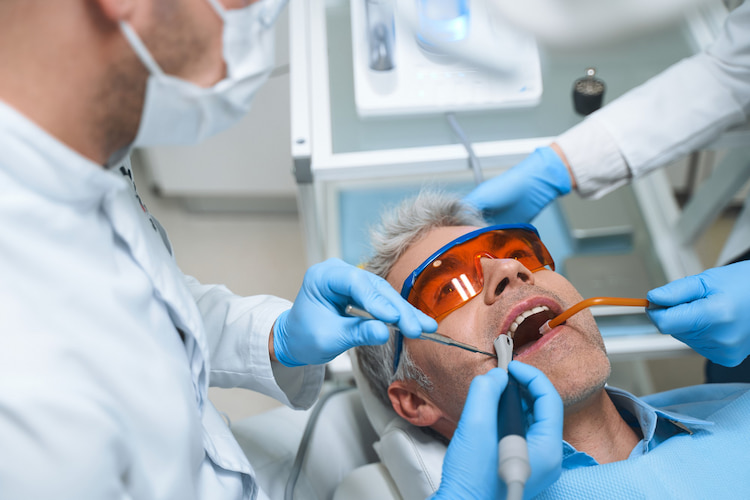
What Are Advanced Techniques and Technology in Restorative Dentistry?
Advancements in technology have revolutionized restorative dentistry, making procedures more efficient. These innovations improve patient comfort and lead to superior outcomes. Here are some notable innovations:
Digital Imaging and 3D Printing for Crowns
Digital imaging and 3D printing create highly accurate dental restorations, such as crowns, bridges, and veneers, ensuring a perfect fit and natural appearance. These technologies also speed up the process, helping treatments get done faster.
Minimally Invasive Procedures
Modern techniques focus on preserving as much natural tooth structure as possible. Minimally invasive procedures reduce patients’ discomfort and recovery time. They also help improve long-term results by reducing damage to nearby tissues.
Use of Biocompatible Materials
Biocompatible materials like zirconia and ceramic provide options that are ideal for patients with sensitivities. These materials also blend smoothly with the body, lowering the chances of rejection or irritation.
Conclusion
Restorative dentistry offers a complete method of repairing and enhancing your smile. By addressing dental issues early and maintaining proper care, you can enjoy improved oral health, functionality, and confidence. Whether you’re dealing with cavities, missing teeth, or structural damage, restorative dentistry provides solutions for your needs. Schedule a consultation with your dentist to explore the best options for your oral health journey.
FAQs
1. What is the difference between restorative and cosmetic dentistry?
Restorative dentistry focuses on repairing damaged teeth and restoring function, while cosmetic dentistry aims to improve the aesthetics of your smile. While the two overlap in some treatments, restorative dentistry prioritizes oral health.
2. How long do restorative dental treatments typically last?
The longevity of treatments varies. Fillings can last 5 to 15 years, crowns and bridges 10 to 15 years, and dental implants often last a lifetime with proper care. Regular maintenance and good oral hygiene can extend their lifespan.
3. Are restorative procedures covered by dental insurance?
Many restorative procedures are covered partially or entirely by dental insurance. Consult with your provider for specifics. Check if pre-authorization is required to ensure a smooth claims process.
4. What are the most common restorative dental procedures?
Standard procedures include fillings, crowns, bridges, and dental implants. Each treatment effectively addresses specific oral health issues. Dentures and root canal therapy are also popular options for restoring function and appearance.
5. Can restorative dentistry help with missing teeth?
Yes, treatments like dental implants, bridges, and dentures are designed to replace missing teeth, restoring function and appearance. These solutions also help maintain jawbone health and prevent shifting of surrounding teeth.