
Dentistry on Gloucester is committed to offering top-quality dental care and helping patients make informed choices about their oral health. Knowing the different types of dentures can help you pick the right one for your needs. In this guide, we’ll cover everything you need to know about dentures, including their types and how to choose and care for them.
What Are Dentures?
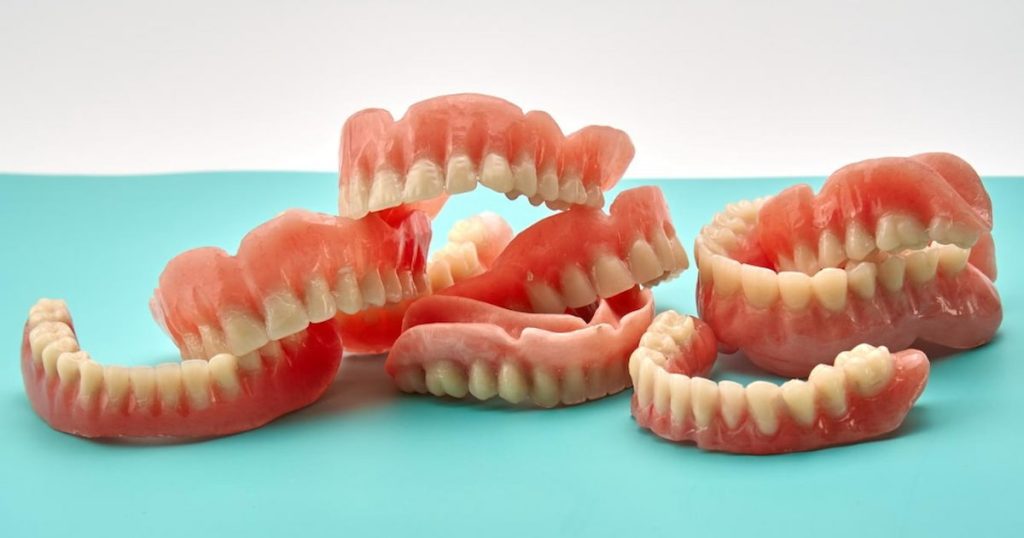
Dentures are removable false teeth made to replace missing teeth, helping you chew, speak, and smile naturally again. Whether partial or complete, dentures help you regain confidence and improve your overall quality of life. They provide both functional and aesthetic benefits, allowing individuals to chew food more effectively, speak clearly, and maintain facial structure. Dentures play a crucial role in oral health, especially for those who have lost multiple teeth due to age, disease, or injury.
What Are 5 Types of Dentures?
Choosing the right denture depends on individual needs, preferences, and budget. Here are the main types of dentures to consider. Each type has its benefits and weaknesses, suited to different dental needs and lifestyles. Understanding these differences can help you make an informed decision that suits your oral health and long-term comfort:
1. Complete Dentures
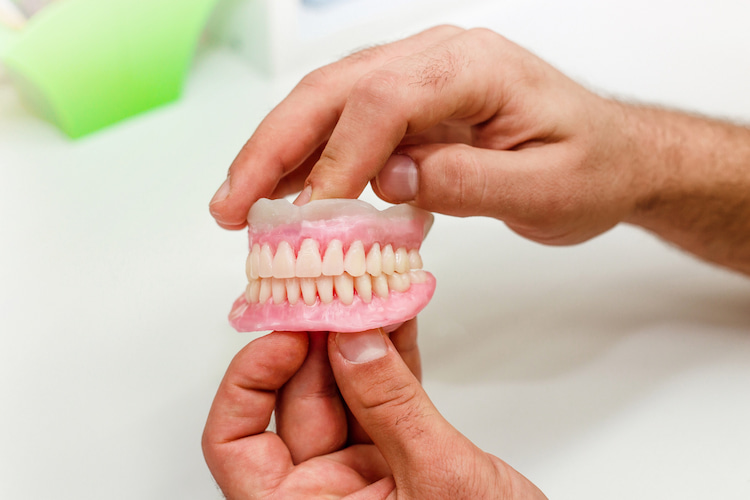
Complete dentures are used when you need to replace all the teeth in your upper or lower jaw. They come with a full set of fake teeth attached to a base that looks like gums and fits comfortably over your gums. These dentures help you eat and speak normally and bring back the look of a full set of teeth. They also support your facial muscles, keeping your face’s shape and preventing a sunken look that can happen after losing teeth.
Complete dentures are recommended for patients who have lost all their natural teeth due to dental issues such as advanced decay or gum disease. These dentures sit directly on the gums and are personalized to ensure maximum comfort.
Advantages and Disadvantages
Complete dentures offer advantages, such as the restoration of full dental function and aesthetics, comprehensive support for facial structure, and the ability to customize their appearance to match natural teeth. However, they also have some disadvantages. These include the potential need for adhesive to ensure stability, they may need regular adjustments for comfort, and they don’t fit as securely as dental implants.
2. Partial Dentures
Partial dentures replace one or more missing teeth and are attached to the natural teeth. They may use metal clasps or special attachments for a better fit. They are designed to fill the gaps left by missing teeth. This type of denture provides a functional and aesthetic solution for those who still have some healthy natural teeth remaining. They are often designed with a metal framework or flexible acrylic base that connects to the surrounding teeth.
Benefits of Using Partial Dentures
Partial dentures are helpful because they stop your remaining natural teeth from shifting, keeping your dental alignment in place. They are also easier to fit and take care of compared to full dentures. Plus, partial dentures are often more affordable for replacing several missing teeth.
3. Implant-Supported Dentures
Implant-supported dentures snap onto implants, making them fit tightly and securely. They are secured to dental implants that are surgically placed into the jawbone. This option offers more stability than traditional dentures, providing a secure and natural-feeling fit. The implants hold the dentures securely in place, which reduces slipping and makes chewing easier. They are often recommended for patients who want a more permanent solution without the concern of slipping.
Pros and Cons Compared to Traditional Dentures
Implant-supported dentures have many benefits, such as better stability, and stronger chewing power, and help prevent bone loss by stimulating the jaw. They also don’t need adhesives, so they stay in place more securely. However, there are some disadvantages. These dentures usually cost more than traditional ones, need surgery for placement, and come with a longer healing period.
4. Immediate Dentures
Immediate dentures are a temporary option given right after natural teeth are removed. They let patients keep their smile’s appearance and function. These dentures also help shield the gums as they heal. However, since the gums and bone change during healing, adjustments or relining may be needed later. Moreover, immediate dentures are pre-made and can be worn the same day the teeth are extracted, allowing patients to avoid a toothless period while their permanent dentures are being crafted. They require several appointments to adjust for comfort and fit as the gums heal and change shape. Benefits and Potential Drawbacks
Pros and Cons of Immediate Dentures
Immediate dentures provide the benefit of restoring appearance and function right after tooth extraction, making the shift to permanent dentures smoother. However, immediate dentures often require more adjustments for comfort and fit. They may not offer the same level of care as personalized complete dentures.
5. Snap-On Dentures
Snap-on dentures, or overdentures, are held in place using dental implants but can be removed for cleaning. This design offers a combination of security and convenience, providing a more stable fit than traditional dentures without being permanently fixed. Snap-on dentures are great for a secure, comfortable fit and are easy to remove. Snap-on dentures sit on attachments connected to dental implants, providing a balance between fixed and removable options. They are perfect for people who want more stability than regular dentures but aren’t ready for permanent implants.
Advantages Over Traditional Options
These dentures offer better maintenance and comfort compared to traditional dentures, providing a more secure fit with less movement and rubbing on the gums. Additionally, they are easy to clean and maintain, making them a convenient option for those seeking improved denture stability and hygiene.
Choosing the Right Type of Denture for You
Choosing the right type of denture depends on your needs, budget, and dental health. For instance, implant-supported dentures provide great stability and help prevent bone loss, but they are pricier and require surgery. Partial or Snap-On dentures are more affordable and offer more flexibility. It’s important to talk to a dentist to measure your dental health and discuss each option. This helps you make an informed choice that improves your comfort, function, and quality of life.
What Factors to Consider
When choosing dentures, it’s important to consider your budget, lifestyle, and dental health. Your budget can influence your options, as some, like implant-supported dentures, are more costly. Your lifestyle is also important; for instance, if you prefer low-maintenance options, fixed or Snap-On dentures might suit you better than traditional removable ones. Lastly, your dental health is crucial; factors like bone strength and the condition of your gums and jaw will affect which type of denture is most comfortable and effective for you in the long run.
Importance of Consulting with a Dental Professional
Consulting with a qualified dental professional is essential to determine the best type of denture for your needs. A dentist will evaluate your oral health, discuss your goals, and help you understand the pros and cons of each option.
Need to Know About Types of Dentures? We’re Here to Help
Explore the different types of dentures available, including complete, partial, and implant-supported options. Learn which denture type is right for you.
The Process of Getting Dentures
Understanding the steps for obtaining dentures can help you prepare. From the initial consultation to fitting and follow-up care, each phase is essential for achieving a comfortable and effective result. Familiarizing yourself with the process ensures that you know what to expect and allows you to make informed decisions along the way.
1. Initial Consultation
During the first visit, you will have a comprehensive oral examination. Your dentist will discuss your dental history, assess your gum health and bone structure, and review denture options. This initial evaluation helps determine the most suitable type of denture based on your specific needs and oral health condition. It’s also an opportunity to ask questions from your dentist.
2. What to Expect During the First Visit
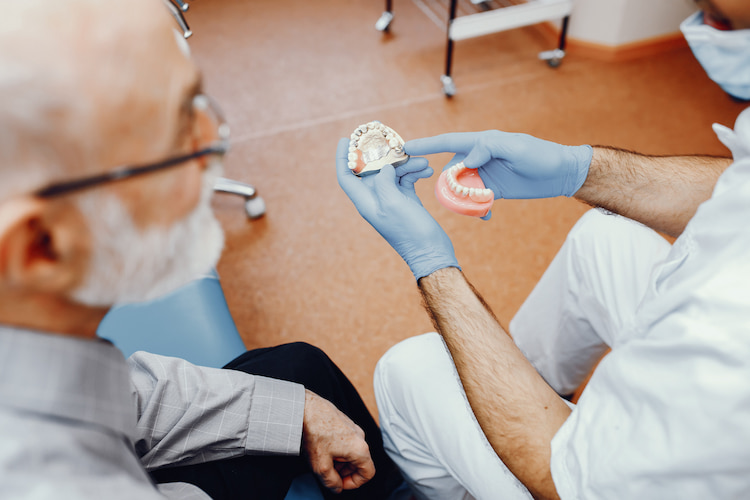
On your first visit for dentures, you’ll have a full check-up and talk with your dentist. They’ll do a detailed exam of your mouth, check your gums, and take impressions or scans to record your dental structure. Your dentist will explain the different types of dentures and help you pick the best option for you. This is a good time to ask questions, share any worries, and get a clear idea of what to expect.
3. Discussing Options and Preferences
In the first appointment, your dentist makes sure the chosen dentures meet your needs by discussing your goals and preferences. This visit is a great chance to ask questions and talk about any concerns, helping you feel more confident and informed about the process.
4. Fitting and Adjustments
The fitting process starts with taking impressions of your mouth to create a mold for making dentures that match your dental structure. Once the dentures are ready, some adjustments might be needed to make sure they fit comfortably and stay in place. These adjustments help relieve any pressure points or discomfort, making your dentures feel natural and work comfortably. You may need regular follow-up visits to make more changes as your mouth gets used to the new dentures.
5. Follow-Up Care
Regular check-ups are important for keeping your mouth healthy and making sure your dentures last. During these visits, your dentist will check that your dentures fit properly, make changes if needed, and look for any problems. These appointments help prevent discomfort and keep your dentures working well. They also give your dentist a chance to check your overall oral health.
Common Concerns About Dentures
Addressing common questions can help you feel more confident about using dentures. Clarifying common concerns can give helpful tips for using and caring for your dentures, making them more comfortable and easier to live with. Many individuals face common challenges when adjusting to dentures, such as initial discomfort, difficulty speaking, or changes in chewing habits. These issues are often temporary and can be managed with guidance from a dental professional and proper adjustments. Solutions like denture adhesives and follow-up visits help improve comfort.
Myths vs. Facts About Dentures
Many myths about dentures can lead to unnecessary worry. For example, some people think dentures always look fake or are hard to wear, but today’s dentures are made to look like real teeth and fit comfortably. Another common belief is that dentures last forever. Still, they usually need to be replaced or adjusted every five to ten years as your gums change shape. Clearing up these misunderstandings with correct information can help patients feel more confident and informed about their decisions.
Conclusion
Dentures provide an effective solution for restoring smiles and enhancing quality of life. Now that you know the types of dentures available, you can make an informed decision that suits your dental health needs and lifestyle. You can consult with our professional team at Dentistry on Gloucester to get a personalized approach to achieving the best results for your smile.
FAQs
How Long Do Dentures Last?
Typically, dentures last between five and ten years, but their lifespan depends on factors like care, material, and wear.
Are Dentures Comfortable to Wear?
While dentures may initially feel strange, most patients become accustomed to them over time. Proper fitting and adjustments are key to comfort.
Can I Eat Normally with Dentures?
With practice, you can enjoy most foods. Start with softer items and gradually start eating hard foods again.
How Do I Care for My Dentures?
Clean dentures daily with non-abrasive products and avoid using hot water, which can warp the material.
What if My Dentures Don’t Fit Properly?
If your dentures cause discomfort, schedule an appointment with your dentist for an adjustment or relining.