
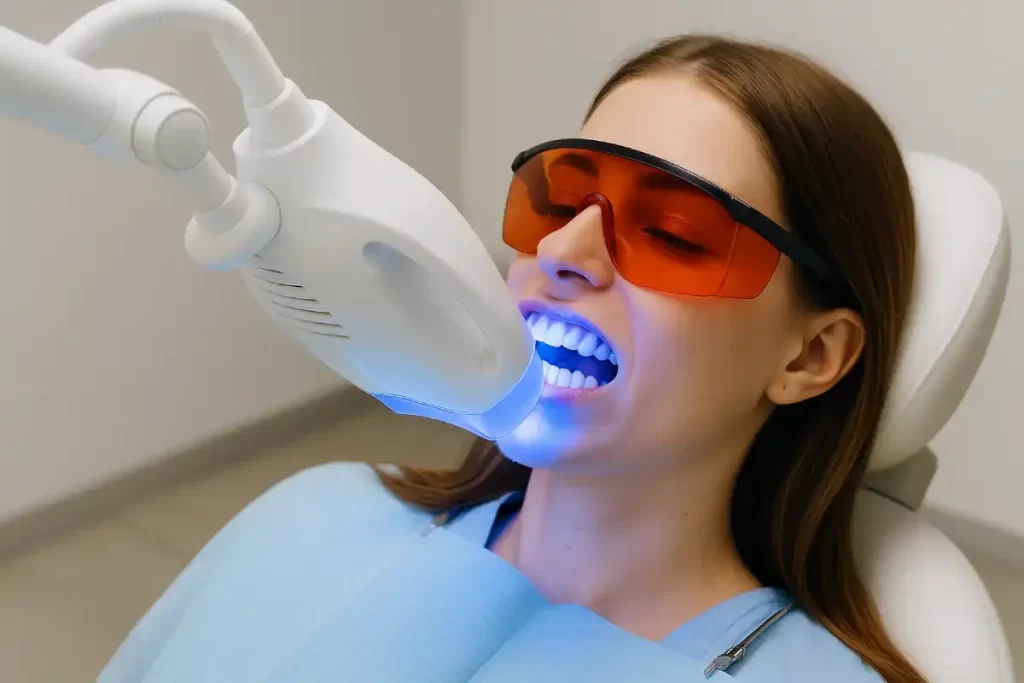
The Canadian Dental Care Plan CDCP is a major step toward improving access to dental care for Canadians who do not have private insurance. It covers a wide range of essential services, helping reduce the financial burden of maintaining oral health.
However, when it comes to cosmetic dentistry such as teeth whitening, veneers, or smile makeovers, many patients are unsure whether these treatments are included.
The simple answer is that CDCP does not typically cover cosmetic dental procedures. These treatments are considered elective and are not classified as medically necessary. The program focuses on essential care that protects oral health, prevents disease, and restores function rather than improving appearance alone.
Understanding this distinction is important so you can plan your dental care and make informed decisions about treatment options.
What Is Considered Cosmetic Dentistry?
Cosmetic dentistry refers to procedures that are primarily performed to enhance the appearance of teeth, gums, and overall smile. While these treatments can have a significant impact on confidence and self image, they are usually not required for maintaining oral health.
Common cosmetic dental procedures include teeth whitening, which removes stains and discoloration to brighten your smile. Veneers are thin custom made shells placed over the front surface of teeth to improve shape, size, or color. Dental bonding is another option used to repair small chips or gaps for aesthetic purposes.
Other treatments may include contouring, reshaping, and complete smile makeovers that combine multiple procedures.
Although these treatments can deliver dramatic results, they are generally not essential for functional oral health, which is why they are excluded from CDCP coverage.

Why CDCP Does Not Cover Cosmetic Procedures?
The Canadian Dental Care Plan is designed with a clear purpose to provide access to necessary dental care for Canadians who might otherwise go without treatment. The program prioritizes services that prevent serious dental problems, relieve pain, and restore basic function.
Cosmetic procedures are excluded because they are not considered medically necessary. For example, whitening your teeth may improve your appearance, but it does not treat decay, infection, or structural damage.
By focusing on essential treatments, the program can allocate resources more effectively and ensure that a larger number of Canadians receive critical dental care.
This approach helps address urgent dental needs first while still allowing patients the option to pursue cosmetic treatments independently if they choose.
Are There Any Exceptions to the Rule?
While most cosmetic procedures are not covered under CDCP, there are situations where a treatment may have both functional and aesthetic benefits. In these cases, partial coverage may be possible.
For example, a dental crown may improve the look of a damaged tooth, but its primary purpose is to restore strength and function. Because of this, crowns are often covered under CDCP when medically necessary.
Similarly, dental bonding might be approved if it is used to repair a chipped or broken tooth that affects oral health rather than purely cosmetic appearance.
In rare cases, orthodontic treatment may be considered if there is a significant medical or functional issue, although this is typically limited and subject to strict criteria.
The key factor is whether the treatment is required for oral health rather than appearance. Your dentist can assess your situation and determine if any portion of a treatment may qualify for coverage.
What Dental Services Are Covered Under CDCP?
Although cosmetic dentistry is not included, CDCP offers comprehensive coverage for essential dental care. This includes preventive, basic, and some major services.
Preventive care is a major focus of the program and includes routine exams, professional cleanings, fluoride treatments, and X rays. These services help detect problems early and prevent more serious issues from developing.
Basic services such as fillings, extractions, and gum disease treatment are also covered. These treatments address common dental problems and help maintain oral health.
Major procedures like root canals, crowns, and dentures may be partially covered depending on eligibility and clinical need. These treatments restore function and improve quality of life for patients with more advanced dental issues.
By covering these essential services, CDCP ensures that patients can maintain healthy teeth and gums without facing high costs.
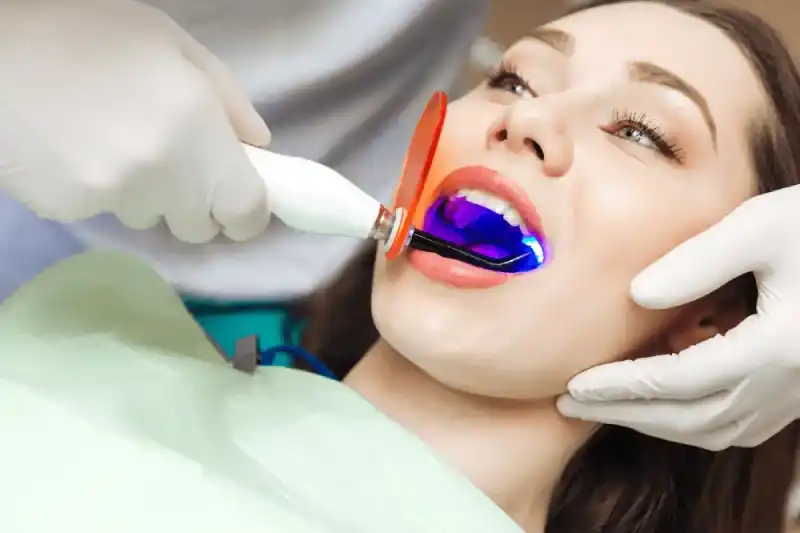
Teeth Whitening and CDCP What You Need to Know
Teeth whitening is one of the most popular cosmetic dental treatments, but it is not covered under CDCP.
Whitening procedures are designed to remove stains and discoloration caused by food, drinks, smoking, or aging. While they can significantly improve the appearance of your smile, they do not address any underlying dental health issues.
Because of this, whitening treatments are considered elective and must be paid for out of pocket.
If you are looking to improve the brightness of your smile while staying within CDCP coverage, regular professional cleanings can help remove surface stains and improve overall appearance naturally.
Veneers and CDCP Coverage
Veneers are another common cosmetic treatment that is not covered under CDCP.
They are thin shells made from porcelain or composite material that are bonded to the front of teeth to improve their appearance. Veneers can correct issues such as discoloration, uneven shape, gaps, and minor alignment problems.
Despite their benefits, veneers are considered purely cosmetic in most cases because they do not treat disease or restore essential function.
Patients interested in veneers should be prepared to cover the full cost of treatment. It is important to consult with a dentist to explore all available options and understand the long term commitment involved.
Get the Right Treatment for Your Smile and Your Budget
Not sure what is covered under CDCP or considering cosmetic dental options. The team at Toronto Dental Office is here to help. We will explain your coverage, discuss your goals, and guide you toward the best treatment for your needs. Book your consultation today and take the next step toward a confident smile.
Cosmetic Dentistry Alternatives Under CDCP
Even though cosmetic procedures are not covered, there are still ways to improve your smile through treatments that fall under CDCP coverage.
For example, treating cavities with tooth colored fillings can restore both function and appearance. Professional cleanings can help reduce stains and improve the overall look of your teeth.
In some cases, crowns or bonding may be used to repair damaged teeth, providing both functional and aesthetic benefits.
Maintaining good oral hygiene habits at home, including brushing, flossing, and limiting sugary foods, can also enhance your smile over time.
Your dentist can help you identify the best options that align with your coverage while still achieving noticeable improvements.
Cost of Cosmetic Dentistry Without CDCP
Since cosmetic procedures are not covered by CDCP, patients should be aware of the costs involved.
Teeth whitening is generally more affordable compared to other cosmetic treatments, but prices can vary depending on the method used.
Veneers are more expensive because they are custom made and require multiple visits. The cost depends on the number of teeth treated and the materials used.
Because these treatments are elective, many dental clinics offer flexible payment options or financing plans to make them more accessible.
Discussing costs upfront with your dental provider will help you plan your budget and avoid surprises.
Tips Before Choosing Cosmetic Dental Treatments
Before investing in cosmetic dentistry, it is important to ensure that your oral health is in good condition.
Addressing issues such as cavities, gum disease, or infections should always be the first priority. Cosmetic treatments are most effective when performed on healthy teeth and gums.
It is also helpful to have realistic expectations about the results. Consulting with a dentist allows you to understand the benefits, limitations, and maintenance required for each treatment.
Exploring alternative treatments that provide both functional and aesthetic benefits can also be a practical approach.
Taking the time to make an informed decision will help you achieve the best possible outcome.
Final Thoughts
The Canadian Dental Care Plan CDCP does not cover teeth whitening, veneers, or most cosmetic dentistry procedures because they are not considered medically necessary.
However, the program provides strong coverage for essential dental care, including preventive, basic, and some major treatments that support long term oral health.
If you are interested in improving your smile, there are still options available both within and outside CDCP coverage. Speaking with your dentist can help you find the right balance between maintaining oral health and achieving your desired appearance.
FAQ
Does CDCP cover teeth whitening?
No, CDCP does not cover teeth whitening because it is considered a cosmetic procedure and not medically necessary.
Are veneers included in CDCP coverage?
Veneers are not covered under CDCP as they are used to improve appearance rather than treat dental health issues.
What cosmetic dental procedures are covered by CDCP?
Most cosmetic procedures are not covered. However, treatments like crowns or bonding may be partially covered if they are required for functional or medical reasons.
Can I get partial coverage for cosmetic treatments under CDCP?
In some cases, if a procedure has a medical purpose, such as restoring a damaged tooth, partial coverage may be available. Purely cosmetic treatments are not covered.
What dental services are fully covered under CDCP?
CDCP mainly covers preventive and essential services such as exams, cleanings, fillings, extractions, and some major procedures like root canals and dentures.