

Veneers are a popular cosmetic solution for improving smiles, but can they work if you’ve lost teeth? While veneers can enhance the appearance of existing teeth by correcting discoloration, chips, and gaps, they cannot replace missing teeth on their own. However, they can be combined with other restorative treatments like implants or bridges to create a complete and natural-looking smile. Let’s explore whether veneers fix your smile and what alternatives might be needed at Dentistry on Gloucester.
| Question | Answer |
| Can veneers replace missing teeth? | No, veneers only enhance existing teeth and require a stable foundation. |
| What happens if I have missing teeth? | You may need implants, bridges, or dentures first before veneers can be applied. |
| How do implants and veneers work together? | Implants replace missing teeth, while veneers improve the appearance of surrounding natural teeth. |
| What if I have gaps from missing teeth? | Dental bridges can fill gaps, and veneers can enhance adjacent teeth for a seamless look. |
| Can I get veneers with dentures? | Yes, partial dentures can serve as a base, helping create a more natural smile. |
| What’s the process if I’m missing teeth? | A dentist will assess your smile, restore missing teeth with implants or bridges if needed, then apply veneers for a polished finish. |
| How do I maintain veneers after getting them? | Regular dental checkups, good oral hygiene, and avoiding habits like teeth grinding will keep them looking great. |
What Veneers Can and Can’t Do
Veneers are thin shells made of porcelain or composite resin that bond to the front of your teeth, improving their appearance by correcting discoloration, chips, minor misalignment, and small gaps. Porcelain veneers are durable and stain-resistant, while composite veneers are more affordable and easy to repair. They create a natural, seamless smile but require existing teeth for support, making them unsuitable for replacing missing teeth. However, there are other options for that, which we’ll discuss next.

What Are the Limitations of Veneers for Tooth Replacement?
Veneers are not designed to replace missing teeth. They require a stable, healthy tooth structure for bonding and cannot fill gaps left by missing teeth. Here are the limitations veneers have in this case:
- Veneers are an excellent option for enhancing the appearance of teeth but are not intended to replace missing teeth.
- They need a stable, healthy tooth structure to bond properly and cannot fill gaps caused by missing teeth alone.
- Because veneers rely on natural teeth for support, they cannot provide the necessary structure for the jawbone or surrounding teeth.
- If you have missing teeth, treatments like implants or bridges may be needed to restore the foundation before applying veneers.
Lost a tooth and wondering if veneers are still an option? We’re here to help!
At Dentistry on Gloucester, we offer transformative solutions like implants and bridges that pair perfectly with veneers for a stunning, complete smile. Don’t wait. Uncover your best smile restoration options today!
Combined Veneer Treatments for Smile Restoration
Missing teeth can make veneers harder to place since shifting teeth and jawbone loss affect placement and dental health. Because veneers need a stable foundation, other treatments may be necessary first. Combining veneers with restorative options like dental implants, bridges, or partial dentures can create a seamless and functional smile. These solutions address structural gaps and provide the necessary support for veneers, ensuring long-lasting aesthetic and practical results.

Veneers and Dental Implants
Dental implants create a strong base for prosthetic teeth, while veneers fix your smile by enhancing the appearance of adjacent natural teeth. They form a powerful combination for those seeking functional and aesthetic dental solutions. This pairing ensures that missing teeth are replaced effectively and the overall smile looks natural and cohesive.

Bridging Gaps with Dental Bridges and Veneers
Dental bridges fill gaps left by missing teeth, while veneers improve the appearance of the next teeth for a natural look. This combination restores both your bite’s functionality and your smile’s beauty.
“Using dental bridges to fill the gaps and veneers to improve my smile has made a huge difference. It’s great to have both the function and beauty of my teeth restored.” – Lily
Dentures as a Base for Veneers
Partial dentures can serve as a veneer base, especially when multiple teeth are missing. This approach enhances the stability of the dentures while achieving a more natural and polished appearance.
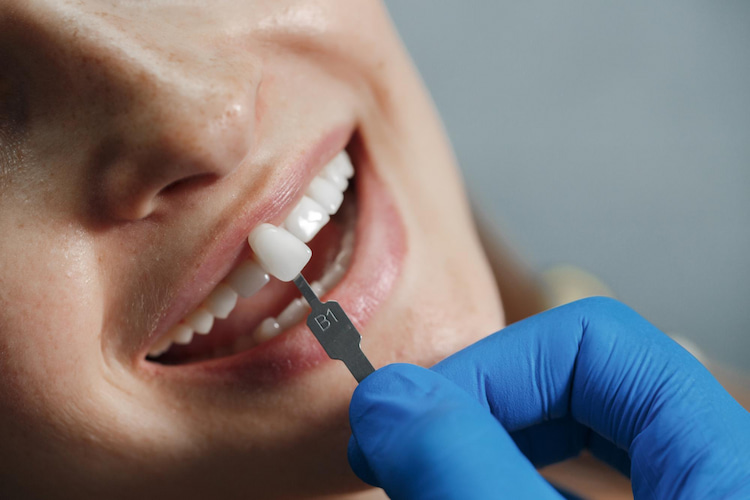
What Is the Veneer Process for Patients with Missing Teeth?
Getting veneers when missing teeth involves multiple steps to ensure the best results. It requires careful planning to address your smile’s functional and aesthetic aspects, providing a durable and visually attractive outcome that matches your overall dental health.
1. Initial Consultation and Smile Design
Your dentist will evaluate your oral health, discuss your goals, and create a personalized treatment plan. This plan may include restorative work before veneers are applied. During this stage, advanced imaging may be used to visualize the outcome of your smile.
2. Preparing for Veneers After Restorative Work
Restorative treatments, such as implants or bridges, provide the necessary support. Once your foundation is ready, your dentist will prepare the teeth for veneers by reshaping them and taking impressions. Temporary veneers may be placed to protect your teeth and ensure comfort until the final veneers are ready.
3. Final Placement and Long-Term Care
Once custom veneers are made, they are bonded to your teeth. Proper oral hygiene and regular dental check-ups are essential for maintaining your veneers and oral health. Additionally, your dentist will provide guidance on avoiding habits like grinding or biting complex objects to preserve the veneer’s longevity.
When combined with restorative treatments like implants or bridges, veneers can enhance your smile after tooth loss. Take the first step toward your perfect smile and explore your options with Dentistry on Gloucester!
FAQs
Can veneers replace missing teeth directly?
No, veneers cannot replace missing teeth directly. They require an existing tooth structure for bonding and are primarily used for aesthetic enhancements.
What dental options should I consider before getting veneers?
Before getting veneers, consider restorative options like dental implants, bridges, or dentures to provide a stable foundation for the veneers.
How do dental implants work with veneers?
Dental implants act as a stable base by replacing the root of a missing tooth, allowing veneers to enhance the appearance of the surrounding teeth for a cohesive smile.
Can a dental bridge support veneers?
Yes, a dental bridge can fill the gap left by missing teeth, providing a supportive base for veneers to improve the look of adjacent teeth.
What’s the difference between veneers and crowns for missing teeth?
Veneers are thin shells covering the teeth’s front surface for cosmetic purposes, while crowns are thicker and encase the entire tooth. Thus, they offer both functional and aesthetic solutions.