

Many people avoid the dentist because they’re anxious or afraid of pain, even when they need essential dental care. Sedation dentistry helps by keeping patients relaxed and comfortable during their visit. But when do dentists recommend sedation? Whether you need a complicated procedure or feel nervous about being in the dentist’s chair, sedation can make the experience much more straightforward. This blog will examine when sedation is used, its benefits, and how it works. At Dentistry on Gloucester, we specialize in providing sedation options to ensure that every patient feels at ease during their appointment.
| Topic | Key Information |
| Why Sedation Dentistry? | It provides a sense of calm and comfort for patients who experience dental anxiety, have a low pain tolerance, or find it difficult to sit still, making dental care a much easier and stress-free experience. |
| How It Works | Medication relaxes the nervous system; it can be inhaled, taken orally, or administered through an IV. Patients are monitored for safety. |
| Who Benefits Most? | – People with severe dental anxiety – Those needing multiple or complex procedures – Patients with a strong gag reflex or low pain tolerance |
| Common Procedures Using Sedation | – Wisdom tooth extractions and oral surgery – Root canal treatments – Major cosmetic dentistry (implants, veneers, smile makeovers) |
| Advantages of Sedation | – Reduces fear and stress – Minimizes pain and discomfort – Allows dentists to complete procedures more efficiently |
| Types of Sedation | – Laughing Gas (Nitrous Oxide): Mild, quick recovery – Oral Sedatives: Pill-based, induces relaxation – IV Sedation & General Anesthesia: Deep relaxation or full unconsciousness for complex procedures |
| Safety & Risks | Generally safe when administered by professionals. Side effects may include sleepiness, nausea, and dry mouth, but serious risks are rare. |
| How Dentists Ensure Safety | Medical history assessments, continuous monitoring of vital signs (oxygen levels, heart rate, blood pressure), and strict safety protocols. |
How Sedation Works During Dental Procedures
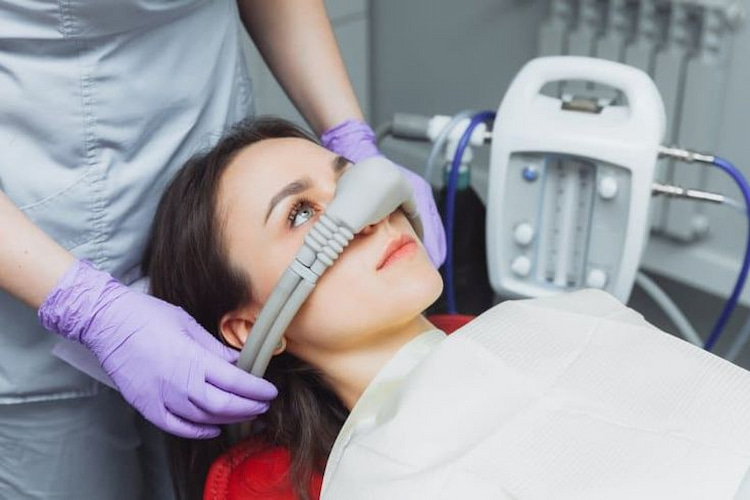
Sedation dentistry uses medication to help patients stay relaxed during dental procedures. It is an excellent option for those with anxiety, special needs, or significant treatment requirements. The medication works by calming the nervous system, so patients feel either sleepy or completely asleep, depending on the type of sedation used.
Sedation can be given through a mask, a pill, or an IV. At the same time, the dentist carefully monitors vital signs to keep everything safe and comfortable. This method makes dental visits easier and pain-free, especially for people who might otherwise avoid treatment.
Who Should Consider Sedation Dentistry?
Going to the dentist can feel stressful or overwhelming for many people, causing them to delay or avoid essential treatments. Sedation dentistry provides a solution by helping patients stay relaxed and comfortable during their procedures. It’s especially helpful for those who:
- Struggle with severe dental anxiety or fear.
- Have a low pain tolerance.
- Need multiple or complex treatments.
- Find it hard to sit still for long periods.
- Have a strong gag reflex.
Daniel: “Sedation made my dental visit so much easier. It was a smooth and completely stress-free experience.”
Stay Relaxed with Sedation Dentistry
Discover when and why sedation dentistry is used, its benefits, and the procedures it supports. Feel confident and stress-free during your next visit!Contact Dentistry on Gloucester today to learn more and schedule your appointment!
Common Dental Procedures That Use Sedation
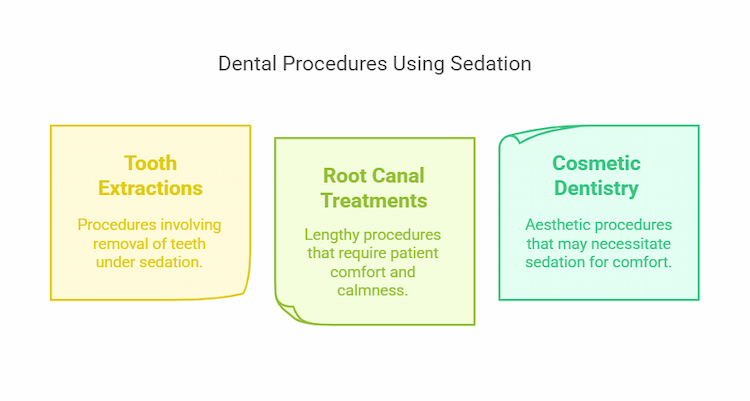
Sedation dentistry is often used for more complex or time-consuming dental procedures like tooth extraction, root canals, or cosmetic dentistry. It’s especially helpful for patients who feel anxious or uncomfortable during treatment. By keeping patients relaxed, sedation allows the dentist to work more efficiently while making the experience much more manageable and stress-free.
Benefits of Sedation Dentistry
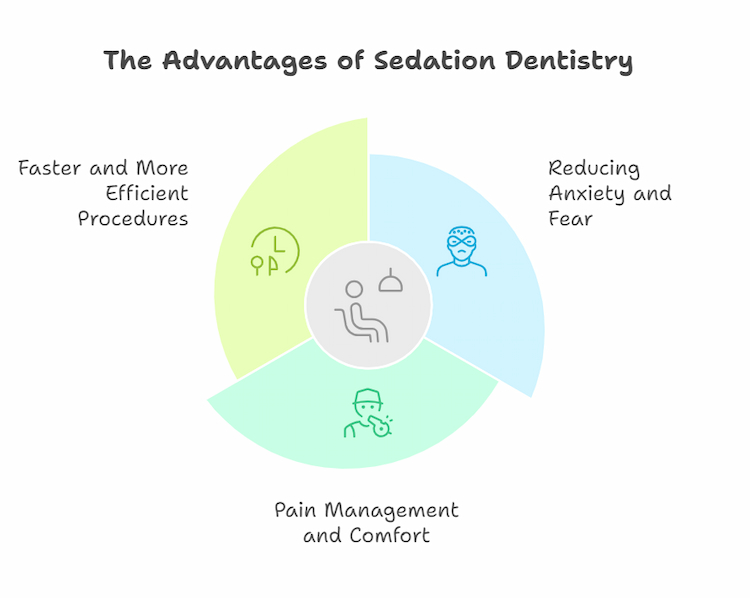
Sedation dentistry offers many benefits, especially for patients who feel anxious, uncomfortable or need major dental work. It helps patients relax and feel minimal pain, making the procedure smoother and more manageable. Whether a simple treatment or a complex surgery, sedation can make the experience more comfortable, less stressful, and more manageable.
Types of Sedation Used by Dentists
Dentists use different types of sedation to help patients stay calm and comfortable during treatment. They can use nitrous oxide, oral sedatives, IV sedation, or general anesthesia, depending on your needs, the patient’s anxiety level, medical history, and the complexity of the procedure. Each option has benefits and is carefully monitored to ensure safety and effectiveness.

Is Sedation Dentistry Safe?
Sedation dentistry is a safe and reliable option when handled by experienced professionals. Dentists follow strict guidelines, reviewing your medical history and monitoring vital signs to keep you safe throughout the procedure. While some patients may experience mild side effects like sleepiness or nausea, serious complications are very rare.
At Dentistry on Gloucester, your comfort and well-being are our top priorities. Whether you feel anxious about dental visits or need a more involved procedure, our sedation options can help make your experience stress-free. Contact us today to learn more or book an appointment!
FAQs
What is sedation dentistry and when is it used?
Sedation dentistry involves using medication to help patients relax during dental procedures. It is used for patients with dental anxiety, those receiving extensive treatments, and those with heightened sensitivity to pain.
How does sedation dentistry help with anxiety during dental procedures?
Sedation calms the nervous system, reducing fear and discomfort. Patients feel relaxed and may have little to no memory of the procedure.
What are the different types of sedation used in dentistry?
Common sedation methods include nitrous oxide (laughing gas), oral sedatives, IV sedation, and general anesthesia.
Is sedation dentistry safe for everyone?
Most patients can safely undergo sedation, but discussing medical history with a dentist is essential to determine suitability.
Can I drive after undergoing sedation dentistry?
Patients receiving nitrous oxide can usually drive themselves home. However, since sleepiness can persist, patients receiving oral or IV sedation should arrange for a ride home.