
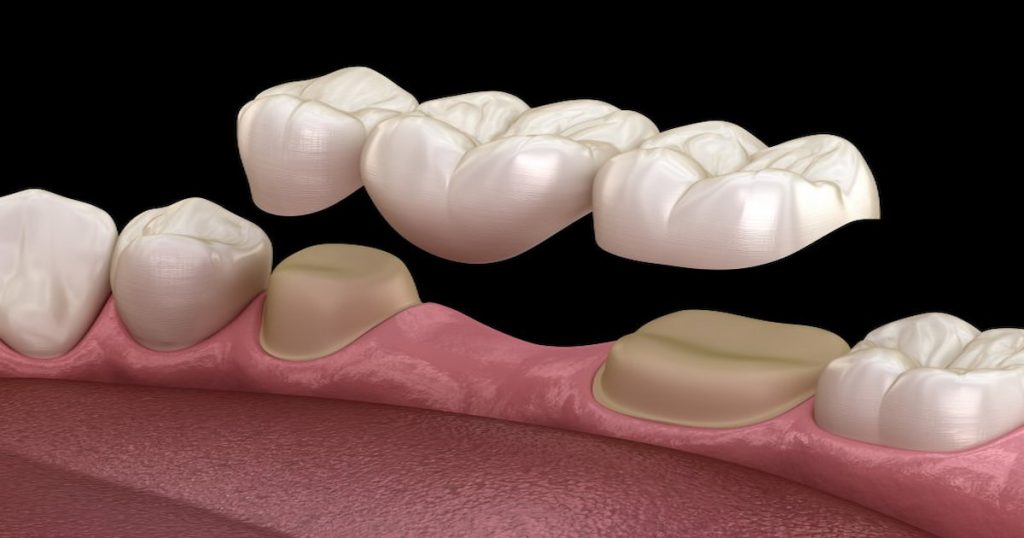
A broken dental bridge can be stressful, especially for seniors who depend on it for daily activities like eating and speaking. When a bridge breaks, it may cause discomfort and pain or even make it difficult to chew food properly. Knowing what to do in this situation is key to preventing further damage and getting the right treatment. In this blog, we’ll share practical tips from our emergency dentist on how to handle a broken dental bridge, the steps to take immediately, and how to ensure your loved one gets the care they need to restore their smile.
What Causes a Senior’s Dental Bridge to Break?
If you’re a senior with dental bridges, it’s important to learn about the causes of broken bridges. This way, you can prevent them and take better care of your dental health. If you are a caregiver for a senior, knowing these causes will also be beneficial, as it enables you to provide better support.
- Over time, dental bridges can wear down due to regular use, leading to cracks or breaks.
- Not maintaining proper oral hygiene can lead to gum disease and tooth decay, weakening the bridge and its supporting teeth.
- Chewing on hard foods, grinding teeth (bruxism), or biting down on non-food items can put excessive pressure on a bridge, causing it to break.
- If the teeth supporting the bridge have cavities or other problems, the bridge may become unstable and break.
- Dental bridges typically last several years, but older bridges are more susceptible to breaking due to material fatigue.
- If a bridge is not properly fitted or adjusted by a dentist, it may not distribute force evenly, leading to breakage.
- Accidents or injuries to the mouth can also cause a dental bridge to break.
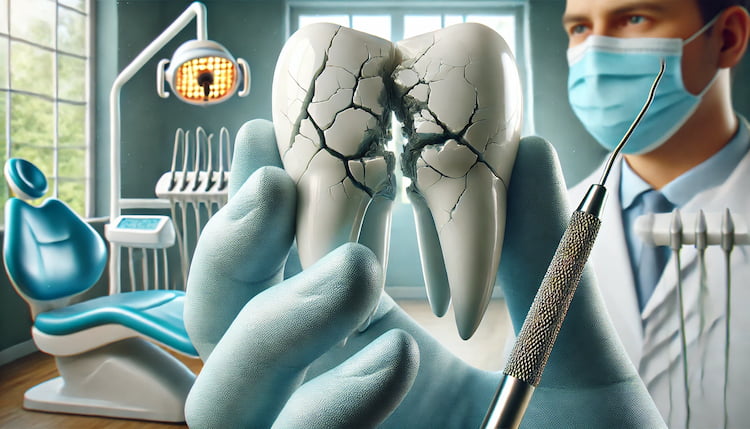
The Immediate Steps to Take When a Senior’s Dental Bridge Breaks
Once you discover your or a senior’s bridge is broken, you should take some immediate steps to minimize discomfort and prevent further damage. However, it’s important to know that these practices are only temporary, and you need to visit a dentist as soon as possible.
- The first step for you is to remain calm and take a deep breath. Panic can make the situation feel worse than it is.
- Then, check the broken bridge and the surrounding area. If any pieces are loose, try to keep them together if possible.
- If any part of the bridge has broken off, keep it safe. Bring it with you when you visit the dentist.
- Do not eat anything until you can see a dentist.
- Gently rinse your mouth with warm salt water to keep the area clean and reduce the risk of infection.
- If there’s any bleeding, apply gentle pressure with a clean cloth or gauze.
- Finally, schedule an appointment with your dentist as soon as possible.
Temporary Fixes for Senior’s Broken Dental Bridge
There are a few temporary fixes you can use to manage the situation. However, these solutions won’t replace professional care but can help minimize discomfort and protect your teeth in the meantime.
Use Dental Cement
You can find over-the-counter dental cement at most pharmacies. This material is commonly used for temporary fixes when dental appliances, like bridges or crowns, come loose or break. If part of your bridge has come off, clean the area gently, then apply a small amount of dental cement to hold the bridge in place. Be sure to follow the instructions on the package.

Use Orthodontic Wax
If the broken dental bridge has sharp or jagged edges that are causing discomfort, you can use orthodontic wax as a buffer. You can get this tool in most pharmacies, as it’s mainly used for orthodontic treatments. However, it can also work well to cover sharp areas of a broken bridge, protecting your gums and cheeks from irritation. Apply a small amount of wax over the sharp part of the bridge to create a smooth surface until your dental appointment.
Maintain Good Oral Hygiene
Even with a broken bridge, it’s important to keep the area clean to avoid infection or further complications. Gently brush around the broken bridge and rinse your mouth with salt water or an antibacterial mouthwash. This helps keep bacteria at bay while you wait for professional care. Be cautious not to apply too much pressure when brushing the affected area.
Use Over-the-Counter Pain Relievers
If you’re experiencing pain or discomfort, over-the-counter pain relievers, such as ibuprofen or acetaminophen, can help manage the symptoms. They can reduce pain and swelling, making it easier to cope with the situation until you can see your dentist.
Avoid Using the Affected Side
Another simple temporary fix is to avoid using the side of your mouth where the broken bridge is located. Chewing or putting pressure on the affected side can cause more damage or discomfort. Stick to chewing on the opposite side of your mouth to reduce the strain on the broken bridge until you can get it repaired.
Contact Us for Emergency Dental Services for Seniors Our team at Dentistry on Gloucester specializes in providing fast and effective emergency dental services for seniors. Contact us to repair your broken bridge right away! Call Us Now at (647) 933-9774 |
How Will an Emergency Dentist Help with Senior’s Broken Dental Bridge?
When you visit an emergency dentist for a broken dental bridge, they will first check the damage by examining the bridge and surrounding teeth. This may include taking X-rays to determine whether the bridge can be repaired or if a replacement is needed. Their main priority is to ensure your comfort and prevent further issues.
If the damage is minor, the dentist may repair or reattach the bridge using dental cement or composite materials. In cases where the bridge cannot be repaired, they will recommend options for replacing it, such as a new bridge or other dental restorations. They may also temporarily fix the bridge while preparing for a long-term solution. In some situations, a broken dental bridge may indicate underlying problems like tooth decay or gum disease. The dentist will address these issues before completing any repairs.
Final Word
A broken dental bridge can be stressful, but taking the right steps and seeing an emergency dentist promptly can help resolve the issue and prevent further damage. Temporary fixes may provide relief, but professional care is essential to restore your dental health. Always be mindful of your bridge and oral hygiene to avoid problems in the future.
If you need urgent care for a broken dental bridge, Dentistry on Gloucester is here to help. Our skilled team offers prompt and reliable dental emergency services to get you out of pain and back to smiling confidently. Contact us today for fast and effective solutions to your dental emergencies!
FAQs
What are the most common dental emergencies in seniors?
The most common dental emergencies in seniors include broken or lost dental bridges, crowns, or dentures, severe tooth pain, infections, and gum disease. Seniors may also experience cracked or fractured teeth, which can result from weakened enamel or underlying dental conditions. Oral injuries and abscesses are also common due to age-related changes in dental health.
What should I do if a senior experiences severe tooth pain outside of regular dental hours?
If a senior experiences severe tooth pain outside of regular dental hours, it’s important to provide immediate relief by giving over-the-counter pain medications like ibuprofen or acetaminophen. You can also use a cold compress on the affected area to reduce swelling. Avoid hot, cold, or hard foods that could irritate the tooth further. Contact an emergency dentist as soon as possible to get professional care.
Are there any specific considerations for treating dental issues in older adults?
Yes, there are specific considerations for treating dental issues in older adults. Seniors often have weakened or missing teeth, gum disease, and underlying health conditions that need to be taken into account. Medications they may be taking could also affect their dental treatment. Dentists must work carefully to address these concerns while ensuring that treatments are safe, effective, and tailored to their overall health needs.
What is the alternative to a dental bridge for seniors?
For seniors, alternatives to dental bridges include dental implants and partial dentures. Dental implants provide a more permanent solution, as they replace both the tooth and its root. Partial dentures are a removable option that can replace multiple missing teeth. Both options have their pros and cons, and a dentist can help determine which is the best choice depending on the senior’s dental health and needs.