
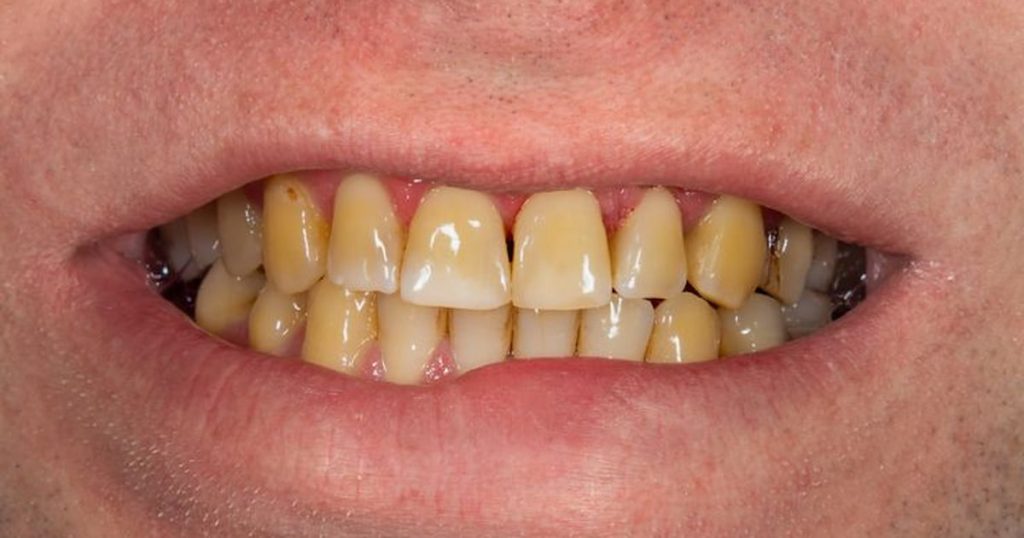
Maintaining good oral hygiene is crucial not only for a bright smile but also for oral health which leads to overall health. Poor oral hygiene can lead to serious problems like dental infections that can affect your daily life and health in ways that may surprise you. In this article, we’ll discuss the connection between poor oral hygiene and dental infections, explore common signs and prevention strategies, and examine effective treatments.
What Is Oral Hygiene?
Good oral hygiene is essential for keeping your mouth, teeth, and gums healthy and helps prevent dental problems and infections. Brushing, flossing, and regular dental visits clear away plaque, bacteria, and food particles that, if neglected, can lead to tartar build-up and infections. In addition to maintaining a bright smile, good oral care is vital for overall health, as neglecting dental hygiene has been linked to serious conditions like heart disease, diabetes, and breathing issues.
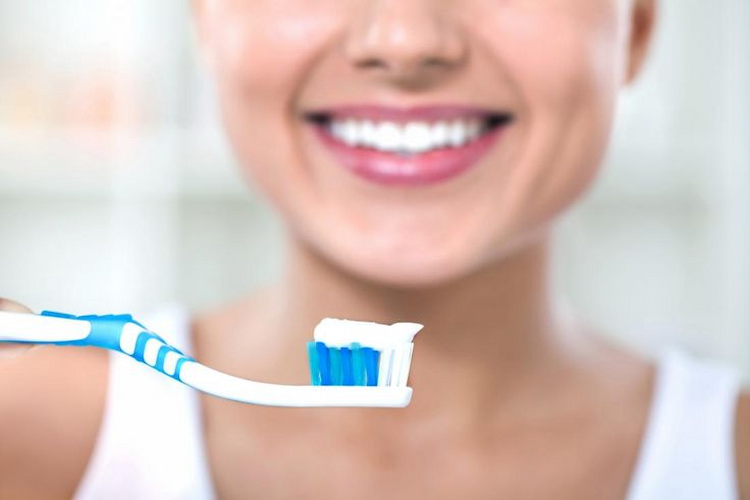
For the best results, brush twice a day with fluoride toothpaste, floss daily, and consider using an antimicrobial mouthwash to reduce bacteria and freshen your breath. Visiting your dentist every six months for cleanings helps remove hard-to-reach tartar and detect potential issues early, supporting long-term dental health.
How Poor Oral Hygiene Leads to Dental Infections
Failing to maintain some daily practices can result in a bacterial build-up that leads to infections in the mouth, teeth, and gums. This build-up begins as a sticky layer called plaque, which hardens into tartar if not removed. Over time, this allows harmful bacteria to grow, which can cause inflammation, gum disease, and serious infections that may harm overall health if not treated.
Bacterial Build-Up
Neglecting oral hygiene allows bacteria in the mouth to increase, forming a sticky layer called plaque. If not removed, plaque hardens into tartar, creating a place where bacteria can grow easily. This build-up can spread to the gums and tooth roots, leading to infections like gingivitis and periodontitis.
Bacteria in plaque produce acids that wear down tooth enamel and release toxins that irritate the gums. This irritation leads to inflammation, and if untreated, infections can worsen over time.
Common Dental Infections Related to Poor Oral Hygiene
Poor oral hygiene is a leading cause of several common dental infections, each with distinct symptoms and potentially serious long-term consequences if left untreated. These infections can progress from mild gum irritation to severe conditions that may result in tooth loss, bone damage, and even systemic health issues as bacteria spread beyond the mouth.
Gingivitis: Symptoms and Effects
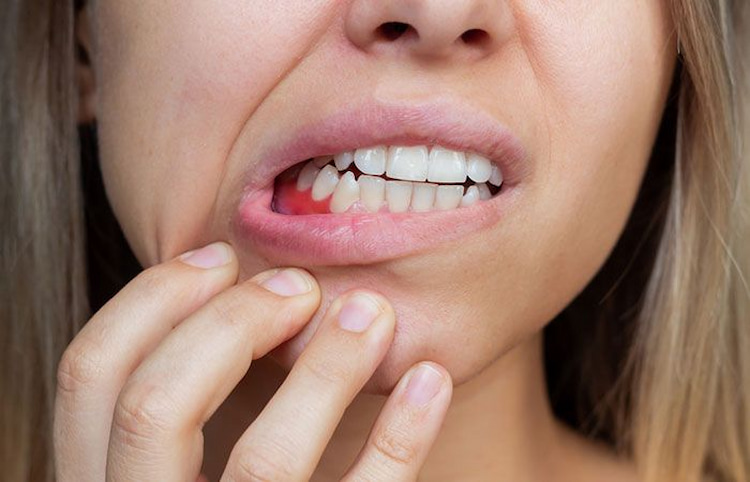
The earliest stage of gum disease is gingivitis, which is marked by red, swollen, and often bleeding gums, typically resulting from plaque build-up due to inadequate brushing and flossing. Common symptoms include gum tenderness, swelling, and bleeding during brushing or flossing.
While gingivitis is usually painless and can be reversed with improved oral hygiene practices, leaving it untreated can allow the condition to progress into more serious infections.
Periodontitis: Progression from Gingivitis to a More Severe Infection
If left untreated, gingivitis can progress to periodontitis, a more severe form of gum disease. Periodontitis occurs when plaque spreads below the gum line; it causes the gums to pull away from the teeth, creating pockets where harmful bacteria can grow. Over time, this condition can result in loose teeth, bone loss around the teeth, and gum recession. In advanced cases, severe periodontitis may lead to tooth loss and often requires surgical interference to restore oral health.
Dental Abscess: Causes and Consequences
A dental abscess is a painful infection at the tooth root or within the gums, often resulting from severe decay, broken teeth, or gum infections that let bacteria reach deeper tissues. Typical symptoms include sharp tooth pain, facial or jaw swelling, fever, and persistent bad breath. Without treatment, an abscess can spread the infection to other areas, making it essential to receive quick care from an oral surgeon.
Signs and Symptoms of Dental Infections
Recognizing early signs you need oral surgery because of infections is essential for timely treatment and avoiding complications. Common symptoms include pain, especially when chewing; swelling in the gums, face, or jaw, which may indicate spreading; persistent bad breath despite good hygiene; and fever, showing the body’s response to infection. Early treatment of these symptoms can stop minor issues from turning into serious problems. Regular dental check-ups are essential for catching infections early and maintaining overall oral health.
We’re Here to Help You Know About Poor Oral Hygiene and Dental Infections
We’re here to help you learn more about the link between poor oral hygiene and dental infections. We also offer effective treatments to maintain your oral health and prevent serious dental issues.
Preventing Dental Infections Through Good Oral Hygiene
Prevention is always better than cure. By following good oral hygiene practices, you can significantly reduce the risk of dental infections and keep your smile healthy. Consistent habits like daily brushing, flossing, and regular dental visits help control bacterial build-up and prevent plaque from turning into a serious issue. Taking a proactive approach to oral care protects not only your teeth and gums but also supports your overall health and well-being.
Daily Brushing and Flossing
Daily brushing and flossing are vital for preventing plaque build-up and bacterial growth. For best results, use a soft-bristled toothbrush with fluoride toothpaste to remove plaque effectively. Replace your toothbrush every three to four months for the best cleaning. Additionally, floss daily to reach areas between teeth where plaque tends to build up, supporting gum health and lowering the risk of infection.
Regular Dental Check-Ups
Routine dental visits play a great role in preventing infections that might not show visible or symptomatic signs. Professional cleanings go beyond daily brushing and flossing by removing tartar build-up and identifying early indicators of gum disease or other issues. Regular cleanings by a dental professional help remove plaque and tartar in hard-to-reach areas. In contrast, dental checkups can catch early signs of infection, allowing for timely intervention and preserving overall oral health.
Healthy Diet for Oral Health
Diet is essential for maintaining oral health, as consuming specific foods can strengthen teeth and lower the risk of infections. Dairy products like milk, cheese, and yogurt are rich in calcium, promoting strong teeth and bones. Leafy greens, such as spinach and kale, are full of vitamins that support gum health. Additionally, crunchy fruits and vegetables like apples, carrots, and celery naturally help clean teeth, which helps increase saliva flow and wash away food particles and bacteria.
Treatment Options for Dental Infections
If a dental infection arises despite preventive efforts, prompt treatment is essential to prevent complications. Treatment varies by severity. Antibiotics may be prescribed to control bacterial growth. At the same time, deep cleaning can remove plaque and tartar below the gum line for gum disease. For a dental abscess, drainage or a root canal may be necessary to save the tooth. Suppose you experience persistent pain, swelling, or fever. In that case, seeking professional care is important, as delaying treatment can lead to serious health issues.
Conclusion
In summary, maintaining good oral hygiene is the key to preventing dental infections and preserving overall health. With daily brushing, flossing, and regular dental check-ups, you can protect yourself from the discomfort and risks of dental infections, ensuring a healthy, beautiful smile.
FAQs
How often should I brush my teeth?
It would be best if you brushed your teeth at least twice a day, ideally once in the morning and once before bed. Brushing after meals is also beneficial for removing food particles that can lead to plaque build-up.
Can poor oral hygiene affect overall health?
Yes, poor oral hygiene is linked to several systemic health issues, including heart disease, diabetes, and lung infections. Bacteria from dental infections can enter the bloodstream, impacting other areas of the body.
What are the risks of untreated dental infections?
Untreated dental infections can lead to tooth loss, bone loss, and the infection spreading to other body parts. In severe cases, dental infections can cause life-threatening complications if bacteria enter the bloodstream.
Is mouthwash effective in preventing dental infections?
While mouthwash can help reduce plaque and freshen your breath, it shouldn’t replace brushing and flossing. Mouthwash is most effective when used as part of a comprehensive oral hygiene routine that includes daily brushing, flossing, and regular dental visits.