
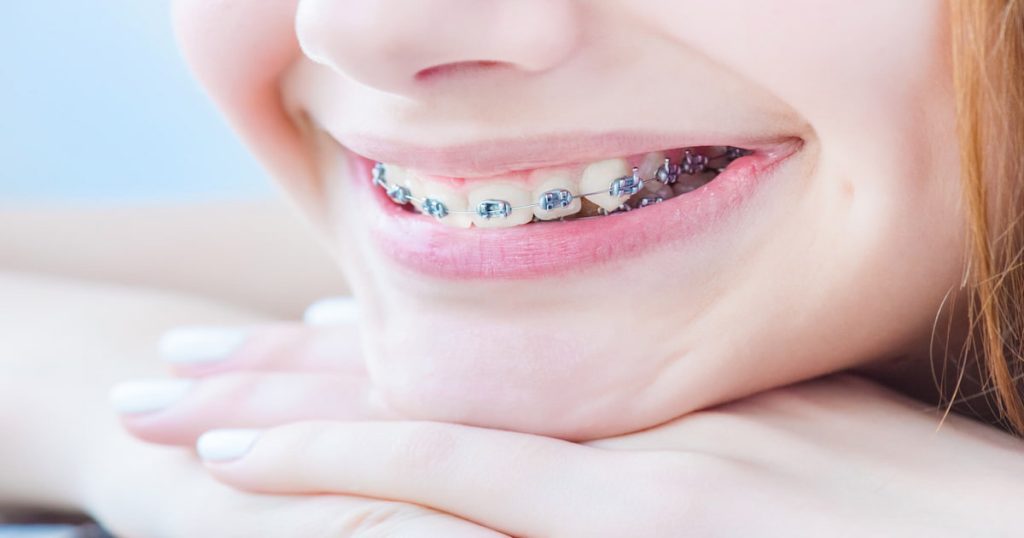
As we age, our teeth alignment might be affected by factors such as jaw growth, oral habits, or wisdom teeth eruption. Over time, these factors can cause the teeth to move or shift in different directions, altering the shape of our smile. While you’re always exposed to the risks of losing the natural beauty of your smile, it’s reassuring to know that there are many methods available to restore your teeth to their natural state. Orthodontics for Adults & Teens plays a crucial role in addressing these issues. Whether due to genetic factors or an accident at an early age, orthodontic treatment can correct misalignment and jaw positioning, ensuring that your smile remains both functional and beautiful. In these situations, taking advantage of the cosmetic dentistry solutions offered by modern dental medicine is essential. Among these solutions, the most important is orthodontics.
Category |
Adults |
Teens |
|---|---|---|
Treatment Goals
|
Focus on aesthetics and bite correction
|
Emphasis on jaw alignment and growth
|
Common Options
|
Invisalign, clear braces, lingual braces
|
Metal braces, Invisalign Teen
|
Treatment Duration
|
Often longer due to mature bones
|
Typically shorter due to growing bones
|
Compliance
|
High self-discipline with aligners
|
May need reminders for compliance
|
Age-Specific Concerns
|
Bone density, gum health
|
Jaw development, spacing for new teeth
|
Cost
|
Slightly higher for aesthetic options
|
Generally lower with standard braces
|
What is Orthodontics?
Orthodontics is a branch of dentistry that focuses on diagnosing, preventing, and fixing the issues related to your teeth and jaws. It involves improving the alignment and function of teeth and jaws to enhance health and appearance. Orthodontists use tools like braces, retainers, and clear aligners to straighten teeth, correct bites, and enhance facial balance.
Orthodontic treatment is mainly known as a cosmetic dental treatment that fixes the positioning of crooked teeth and brings them in line with other teeth so that there is no extra space between them. However, beyond just aesthetics, orthodontics also deals with concerns such as teeth crookedness and malocclusion (bite), which can lead to issues like difficulty in cleaning teeth effectively, speech challenges, or jaw pain. Effective orthodontic treatment can address these problems.
The procedure has various benefits that are not only limited to aesthetic purposes, such as improving oral hygiene, self-esteem, and overall health.
Traditional Metal Braces: A Time-Tested Option
Traditional metal braces have passed their test of time as an effective way of successfully doing orthodontic treatment.
In the traditional metal braces style, metal brackets will be attached to the front part of the patient’s teeth. These brackets are then connected by a wire across the mouth.These wire gradually correct the positioning of your teeth. They have no limitation of tooth movement and can be used for severe cases of misalignment, and the orthodontist has full control of tooth movement.
However, these tried and true appliances have some downsides. First and foremost, some patients might complain that the braces are completely visible and can affect their appearance. Your braces may cause some issues in your ability to eat or drink, limiting your diet choices. They might also take more time to complete. Based on the patient’s condition, the orthodontics might stay on for a minimum of approximately 12 months to a maximum of 24 months.
Yet, unlike the myths, wearing braces will not make your teeth loose or weak, and it’s not painful for the patient to have them.
Clear Aligners (Invisalign): Discreet Smile Correction
This method has been used since the 2000s and the initial products were known as Invisalign and have since become a popular alternative to traditional braces for correcting mild to moderate orthodontic issues.
The advantages of clear aligners over traditional braces were that they are disguised and virtually invisible, which made them popular among adults who preferred being more discreet about their condition.
However, some disadvantages made many people think twice when it came to choosing between different types of braces.
- They are not suitable for all cases like severe overcrowding or complex bite issues(proper bite may not be achievable)
- With clear aligners, some tooth movements are not possible or are limited.
- Except for water, patients must remove aligners to eat and drink.
- The outcome is mostly patient-dependent, and some patients abandon treatment before getting the results.
Other Orthodontic Treatment Options
Lingual Braces
Similar to traditional metal braces, lingual braces are custom-made brackets and wires that apply gentle pressure on teeth to get them into the desired position. The difference is lingual braces are placed on the inner surface (lingual) of the teeth, and when you smile, no one will notice them. Being invisible from the outside makes lingual braces a perfect option for adults who want to remain discreet but have complex alignment problems and can’t use clear aligners.
Ceramic Braces
Ceramic braces are made from tooth-colored or clear materials. They work just like traditional braces but are discreet(they can also be custom colored, and you can choose any color you like). There is no limitation of tooth movement, and the bite can be perfected with no limitation, either. The orthodontist also has full control of tooth movement.
Self-ligating Braces
Self-ligating braces are a type of bracket that utilizes a clip or door to secure the archwire instead of the usual elastic ligatures. This design offers flexibility in tooth adjustment, potentially leading to longer treatment duration and fewer adjustments needed.
Temporary Anchorage Devices
Temporary anchorage devices (TADs) are screws temporarily inserted into the jawbone to provide support for specific teeth that require movement. They enable tooth adjustments that may be challenging with conventional braces.
Functional Appliances
Orthodontists use functional appliances to address jaw misalignments like overbites or underbites. The patient wears these appliances for a few months. Can effectively correct certain types of malocclusions without requiring surgical intervention.
Dentistry on Gloucester: Your Trusted Orthodontist Near Church & Wellesley
If you’re around the Church & Wellesley neighborhood in Toronto and thinking about getting an orthodontic treatment, Dentistry on Gloucester is your top choice!
We provide a variety of services aimed at aligning your teeth and enhancing the beauty and health of your smile. Our skilled team of dentists and orthodontists at Dentistry on Gloucester collaborate to create customized treatment plans that best fit your requirements and goals. Contact us today to arrange a consultation and take a step toward achieving a more confident smile.
Our orthodontists at Church & Wellesley in Toronto boast about their expertise, knowledge, and skill in orthodontics, offering quality service to patients of all age groups. Whether you require braces, clear aligners, or other orthodontic solutions, we are the professionals in the area, and we can help you explore various options to decide which one best suits your needs and budget.
FAQs:
As teeth are straightened, patients can improve their hygiene practices, brush and floss easier, and decrease the risk of decay and gum disease. Improved dental function: Aligning your teeth and jaws can improve biting, chewing, and speech functions.
The best way is to consult an orthodontist or a dental professional who specializes in orthodontics. They will evaluate your oral health, alignment, and specific concerns to determine if you are a good candidate for orthodontic treatment or not.
1. Traditional braces (made of metal or ceramic)
2. Clear aligners (such as Invisalign)
3. Lingual braces (hidden behind the teeth)
4. Self-ligating braces
5. Temporary anchorage devices (TADs)
6. Functional appliances
7. Retainers