
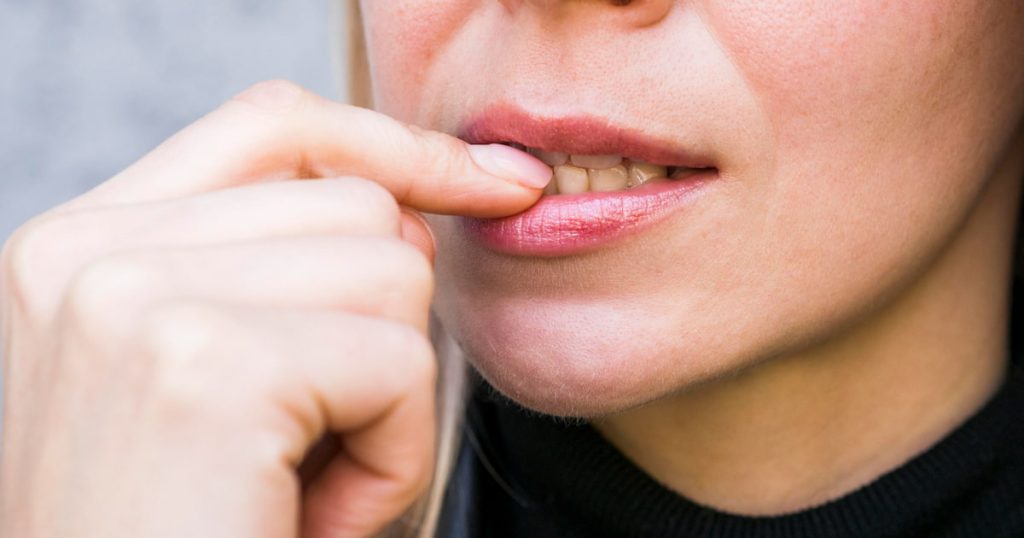
A gum injury, such as chipped gums, can cause discomfort and raise concerns about long-term oral health. If you’ve noticed a chip in your gums, understanding the causes, symptoms, and treatment options is vital to prevent complications. In this complete guide, we’ll explore everything you need to know about chipped gums, whether it’s an emergency, and how to care for them at home and professionally.
What Are Chipped Gums?
Chipped gums occur when the soft tissue of your gums is damaged, typically resulting in a small tear, chip, or irregular surface. This type of injury can happen due to trauma, dental procedures, or even harsh brushing habits. Unlike a chipped tooth, chipped gums involve the tissue rather than the enamel. Still, both can affect your overall oral health.
Symptoms of Chipped Gums
Identifying gum injury symptoms is crucial for timely care. Common signs include:
- Pain or sensitivity
- Visible chips in the gum tissue
- Swelling or redness
- Bleeding during brushing or flossing
- Sensitivity to hot, cold, or pressure
If these symptoms persist or worsen, consult a dentist soon to avoid potential complications.
Causes of Chipped Gums
Chipped gums can result from various causes, such as facial trauma, sharp foods, accidental dental injuries during procedures, poor oral hygiene leading to plaque buildup, or advanced gum disease that weakens the tissue. Understanding the origin is essential for effective treatment and preventing future injuries.
Is a Chipped Gum a Dental Emergency?
While not all cases of chipped gums are dental emergencies, some require immediate dental attention to avoid complications like infections or further damage. Ignoring severe symptoms can result in long-term issues such as gum disease or tooth loss. Seeking quick care from a dentist ensures proper treatment and reduces potential risks.
When to Seek Immediate Care
You should visit a dentist immediately if:
- You experience extreme bleeding that doesn’t stop after applying pressure
- Severe pain that affects your daily activities
- Signs of infection such as pus, fever, or a bad taste in the mouth
Additionally, immediate care is needed if a significant percentage of gum tissue is missing or hanging, as quick treatment can prevent further complications and help with proper healing.
Home Remedies for Temporary Relief
For minor cases of chipped gums, you can manage discomfort and promote healing at home with a few simple remedies:
- You can rinse with saltwater. Mix a teaspoon of salt in warm water to reduce swelling and sterilize the affected area.
- Place an ice pack or a cold compress on the outside of your cheek, near the injury to ease pain and minimize swelling.
- Take over-the-counter pain relievers and medications like Ibuprofen or Acetaminophen as directed to ease discomfort.
- Eat soft foods such as yogurt, soup, or mashed potatoes, and avoid hard or crunchy foods that could further irritate the gums.
- Brush and floss carefully around the injured area to prevent additional damage.
Remember, these remedies are temporary and should not replace professional dental care if the injury is severe, shows signs of infection, or does not recover.
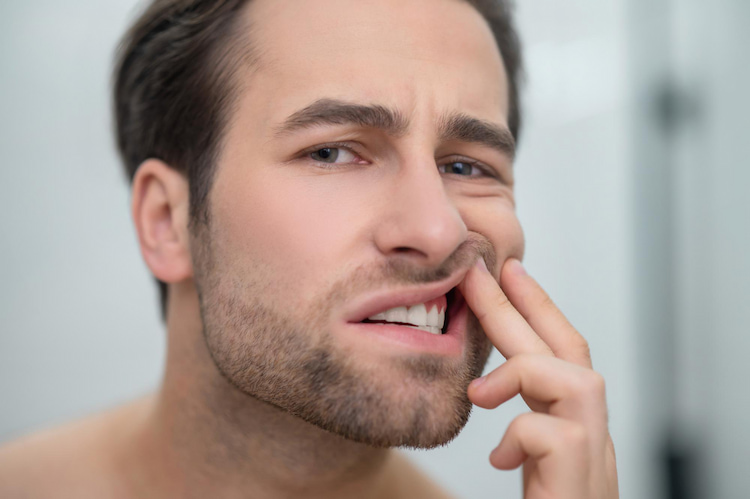
Treatment Options for Chipped Gums
Proper care is vital for healing gum injuries and maintaining oral health. Timely treatment helps prevent complications like infections, gum disease, or damage to nearby teeth and tissues. Following up with your dentist and sticking to recommended oral care routines supports recovery and protects your gums from future harm.
Professional Dental Care
Seeing a dentist is essential for detecting and treating chipped gums effectively. Treatment may involve:
- Cleaning the wound to prevent infection
- Suturing for significant injuries
- Advising antibiotics if there’s an infection risk
A gum graft might be needed to repair the damage and support proper healing in severe cases.
Home Care Tips
Proper post-treatment care is crucial for a smooth recovery. Use a soft toothbrush to prevent irritation, and take prescribed medications, like antibiotics or pain relievers, as directed. Avoid smoking, which can slow healing and raise the risk of infection. Use soft foods such as soups and smoothies to protect the healing area and support recovery.
Need to know about Chipped gums? We’re Here to Help!
Chipped gums? Learn about the causes, symptoms, and treatment options. Get expert advice on when to see a dentist and how to prevent future injuries
Preventing Future Chipped Gums
Prevention is critical to maintaining healthy gums. Simple habits like practicing good oral hygiene, avoiding trauma to the mouth, and keeping up with regular dental check-ups can help protect your gums and keep them strong. Taking these proactive steps supports gum health and reduces the risk of injury or other issues.
Proper Oral Hygiene
Maintaining good oral hygiene is essential for strengthening your gums and reducing the risk of injury. Brush gently with a soft-bristled toothbrush to avoid irritation, floss daily to clean out debris and keep your gums healthy, and use a fluoride mouthwash to support overall gum health.
Avoiding Trauma to the Mouth
Prevent accidental gum injuries by taking a few simple safety measures. Wear a mouthguard during sports or physical activities to protect your gums from impact, avoid chewing complex objects like ice or pens that can cause damage, and be careful with sharp or crunchy foods to prevent injury.
Regular Dental Check-ups
Routine visits to your dentist are essential for preventing gum disease and identifying potential issues before they worsen. Professional cleanings remove plaque and tartar buildup that daily brushing and flossing might miss. At the same time, regular check-ups can spot weak gum tissue early so it can be treated in time. Discussing concerns with your dentist also ensures personalized advice and care to keep your gums strong and healthy.
Conclusion
A chipped gum may seem like a minor issue, but it can worsen into a serious problem without proper care. Understanding the causes, symptoms, and treatment options empowers you to address the injury effectively while maintaining oral health. Taking preventive steps and getting professional care helps keep your gums healthy and free from injury. For more information or to schedule a dental appointment, contact Dentistry on Gloucester today. Your oral health is our priority!
FAQs
1. What are the symptoms of chipped gums?
Common symptoms include pain, swelling, redness, bleeding, and noticeable irregularities in the gum tissue.
2. Is chipped gum a serious dental problem?
It depends on the severity. Minor cases can heal with home care, but severe injuries may lead to infections or complications if untreated.
3. Can I treat a chipped gum at home?
Home remedies like saltwater rinses and cold compresses can provide temporary relief. Still, professional care may be needed for severe injuries.
4. When should I see a dentist for a chipped gum?
See a dentist if you experience extreme bleeding, severe pain, or signs of infection or if a significant portion of gum tissue is damaged.
5. How can I prevent chipped gums in the future?
Practice good oral hygiene, avoid mouth trauma, and schedule regular dental check-ups to keep your gums healthy.
6. What are the risks of leaving chipped gum untreated?
Untreated chipped gums can lead to infections, gum disease, and potential damage to underlying teeth or bone.