
Teeth whitening is one of the most desirable cosmetic dental procedures, offering a brighter smile. However, many people have questions and concerns about the safety, cost, effectiveness, and aftercare of teeth whitening. In this blog, we’ll address Common teeth whitening concerns, offering expert insights to help you make informed decisions.
Is Teeth Whitening Safe?
Teeth whitening is generally safe when done correctly using dentist-approved products and following guidelines. Dentists ensure safety by selecting appropriate whitening agents and addressing concerns like enamel thinning or sensitivity. While over-the-counter products can be effective, using them incorrectly may lead to gum irritation or even damage your enamel, highlighting the importance of professional guidance.
What Are Teeth Whitening Products?
Teeth-whitening products are available in various forms, each with different advantages and drawbacks. It is important to choose the right product based on your needs, budget, and desired level of whitening.
- Whitening toothpaste removes surface stains using mild abrasives but does not change the natural color of your teeth. It’s ideal for maintenance but less effective for significant whitening.
- Whitening strips and gels use peroxide-based agents to gradually whiten teeth with regular application over a few weeks. These are easy to use but may not provide even results for all users.
- Tray-based systems provide a customizable option for a more uniform application of whitening gel. They offer better coverage and control compared to strips or gels alone.
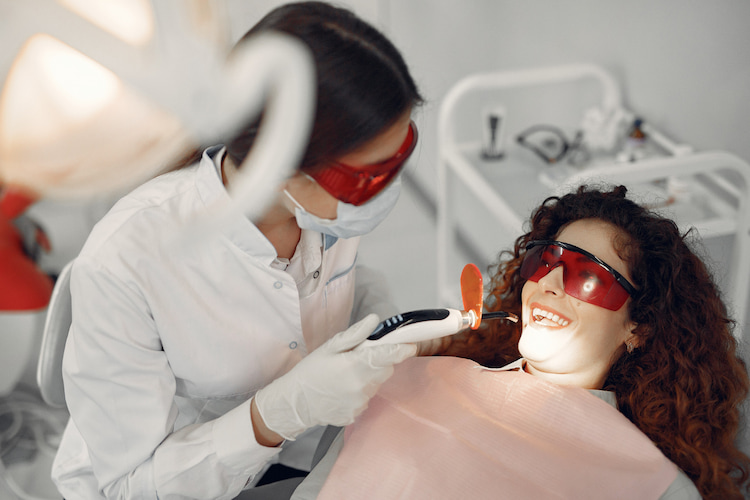
- Professional treatments and in-office procedures use high-concentration whitening agents to deliver quick, dramatic results. These treatments are dentist-supervised, ensuring safety and effectiveness.
Professional Treatments vs. Over-the-Counter Options
Choosing between professional whitening treatments and over-the-counter (OTC) options is a common concern. Professional treatments offer faster, longer-lasting results, personalized care, and a lower risk of uneven whitening. However, they come with a higher cost. OTC options are more budget-friendly and easily accessible but often deliver slower results, may cause uneven whitening, and carry a higher risk of misuse, which can lead to sensitivity.
How Long Does Teeth Whitening Last?
The longevity of teeth whitening results depends on various factors, including your lifestyle, diet, and oral hygiene habits. Adopting healthy habits and limiting exposure to staining substances can significantly extend the brightness of your smile.
Factors That Impact Whitening Results
The longevity of teeth whitening results depends on lifestyle factors. Regular consumption of staining foods and beverages like coffee, tea, and red wine can quickly dull the effects, while smoking significantly reduces the durability of whitening. Maintaining proper oral hygiene through regular brushing and flossing is essential for preserving a brighter smile over time.
Can Whitening Remove Deep Stains?
Professional whitening treatments are more effective at addressing deep stains caused by fundamental factors, such as medication use or aging. However, not all deep stains can be removed entirely. In such cases, alternative cosmetic solutions like veneers may be recommended.
Curious About Teeth Whitening? We’re Here to Help!
Have questions about teeth whitening? Explore common concerns, including safety, results, and maintenance tips. Learn how to achieve and keep a brighter smile today! Give us a call today!
How Much Does Teeth Whitening Cost?
The cost of teeth whitening varies significantly depending on the method chosen, with options ranging from affordable over-the-counter products to more expensive professional treatments. While OTC products are accessible and budget-friendly, they often require repeated use for noticeable results. Professional treatments, though pricier, offer faster, longer-lasting outcomes and are personalized to individual needs, ensuring greater safety and effectiveness.
Professional Whitening Costs vs. DIY Kits
Teeth whitening costs vary by method. In-office whitening typically costs between $300 and $1,000 and delivers immediate results. Take-home kits provided by dentists, featuring custom trays, range from $200 to $400. OTC kits are the most affordable, priced between $20 and $100, but they often require repeated purchases to achieve noticeable results.
Insurance Coverage for Teeth Whitening
Since teeth whitening is considered a cosmetic procedure, it is typically not covered by dental insurance plans. However, it’s always a good idea to check with your provider to confirm your coverage and explore any potential discounts or special offers they may provide.
Budget-Friendly Whitening Alternatives
To maintain a bright smile affordably, consider incorporating whitening toothpaste and mouthwash into your daily routine for regular maintenance. Toothpaste with baking soda can help remove surface stains. Additionally, using a straw when drinking staining beverages can reduce contact with your teeth, preserving their whiteness.
Teeth Whitening Myths and Misconceptions
Teeth whitening is popular, but myths and misinformation often leave people uncertain about its safety and effectiveness. Let’s clarify the facts to help you make informed decisions about achieving a brighter smile.
Does Whitening Damage Enamel?
Modern whitening products are safe for enamel and effective when used correctly. However, overusing or applying high-peroxide concentrations without professional guidance can cause enamel damage and heightened sensitivity.
Natural Remedies for Whitening: Do They Work?
DIY solutions like lemon juice, baking soda, or activated charcoal are often promoted as natural whitening remedies, but they can harm your teeth:
- Lemon juice’s high acidity can wear away enamel, making teeth weaker and more prone to damage. Over time, this erosion can lead to discoloration and increased sensitivity.
- Activated charcoal is popular, but its abrasive nature can wear down enamel, causing sensitivity and potential long-term damage. Overuse may even expose the yellow dentin layer beneath the enamel.
- Baking soda is mildly effective for removing surface stains. Still, it lacks the strength to provide significant whitening, making it unsuitable as a substitute for professional products. Regular use of products without fluoride can weaken enamel, making teeth more prone to decay.

Post-Whitening Maintenance and Care
Maintaining a bright smile after teeth whitening requires consistent care. By avoiding certain foods, sticking to a proper oral hygiene routine, and managing any discomfort, you can extend the longevity of your whitening results and enjoy a glowing smile.
What Foods and Drinks to Avoid After Whitening
During the first 48 hours after whitening, avoid dark-colored drinks like coffee, tea, red wine, and cola, as well as staining foods like berries and tomato-based sauces. Acidic foods like citrus fruits should also be avoided, as they can weaken enamel and increase the risk of stains.
Long-Term Maintenance for Whiter Teeth
To maintain your whitening results, brush with whitening toothpaste twice daily and schedule regular dental cleanings to remove surface stains. Refresh your smile and keep your teeth looking bright over time with dentist-approved whitening maintenance products.
How to Reduce Sensitivity After Whitening
If you experience sensitivity after whitening, use toothpaste for sensitive teeth and avoid hot or cold foods for a few days. Applying fluoride treatments, as advised by your dentist, can also help reduce discomfort and strengthen enamel.
Conclusion
Now that your concerns and questions about teeth whitening have been solved, you can make an informed decision about doing this beneficial treatment. If you have further questions, please feel free to contact us at Dentistry on Gloucester. Our team of professional cosmetic dentists have years of experience in this field, and makes sure you leave our clinic with a perfect, bright smile.
FAQ
1. Does teeth whitening work for everyone?
Teeth whitening is effective for most people but may not work as well for those with severe discoloration, intrinsic stains, or specific dental conditions that may require professional treatment. Consult your dentist for personalized advice.
2. How can I avoid sensitivity after whitening?
Use desensitizing toothpaste, avoid extreme temperatures, and follow your dentist’s advice for proper post-whitening care.
3. What are the safest teeth whitening methods?
Professional teeth whitening is the safest choice, offering customized treatment and expert oversight from dentists.
4. Are there any side effects of teeth whitening?
The most common side effects are temporary sensitivity and minor gum irritation, which typically subside within a few days after treatment.
5. How often can I whiten my teeth?
Most dentists recommend professional whitening at most once or twice a year, depending on your individual needs and lifestyle.