

Orthodontic treatments are the basis of modern dentistry, offering solutions to improve oral health, correct dental issues, and boost confidence through a straighter smile. Whether you’re considering braces, aligners, or retainers, understanding the options and benefits can help you make an informed decision. This blog outlines the main aspects of orthodontic care, explains common misunderstandings, and describes what to expect during treatment.
What Is Orthodontic Treatment?
Orthodontic treatment is a specialized branch of dentistry focusing on diagnosing, preventing, and correcting misaligned teeth and jaws. It uses different tools and methods to fix issues like crooked teeth, overcrowding, overbites, underbites, and jaw misalignment. Orthodontic treatments not only enhance appearance but also improve oral function and overall health.
Types of Orthodontic Options
Orthodontics provides personalized solutions to meet individual needs, ensuring effective treatment for various dental issues. The most common options include:
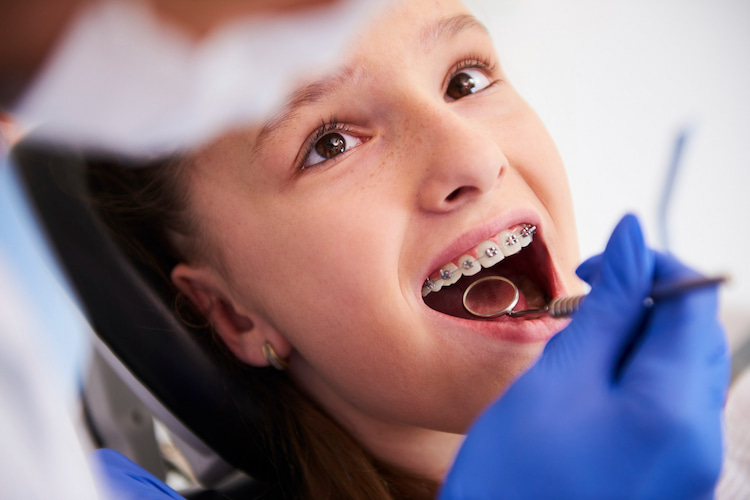
- Traditional metal braces use brackets and wires to gradually align teeth. Ceramic braces, which blend with natural teeth, are an alternative for those seeking less noticeable treatment. Braces are highly effective for addressing complex alignment and bite issues.
- Clear aligners, like Invisalign, provide a nearly invisible option for straightening teeth. These removable devices are ideal for adults and teens looking for flexibility and convenience. They are especially suitable for those who want to maintain their normal diet and oral hygiene routine.
- Retainers are essential after treatment, keeping teeth in their new positions and preventing them from shifting back, which ensures long-term success. They are often customized to fit comfortably and can be either fixed or removable based on individual needs.
Common Dental Issues Orthodontics Can Fix
Orthodontic treatments address a wide range of dental concerns, including misaligned or crooked teeth, gaps between teeth, overbites, underbites, crossbites, crowded teeth, and jaw alignment problems. By correcting these issues, orthodontic care not only enhances the appearance of your smile but also improves oral health, making it easier to clean teeth effectively and maintain a healthy bite for long-term dental wellness.
Curious about orthodontic treatments? Let us guide you through it!
Discover essential things about orthodontic treatments! Learn about options, benefits, and factors to consider. Start your journey to a perfect smile today! Give us a call today!
Benefits of Orthodontic Treatments
Orthodontic treatments provide both cosmetic and functional benefits, transforming not just your smile but also your quality of life. By addressing misaligned teeth and jaw issues, these treatments enhance oral health, improve confidence, and provide lasting functional benefits.
Improving Oral Health
Straight teeth are easier to clean, reducing the risk of cavities, gum disease, and plaque buildup. With better alignment, flossing and brushing become more effective, lowering the chance of oral health problems. Additionally, correcting bite issues prevents uneven wear on teeth and reduces stress on the jaw joints.
Enhancing Confidence with a Straighter Smile
A well-aligned smile improves confidence, positively impacting both personal and professional interactions. Whether you’re attending a social event or giving a presentation, an improved smile makes a positive, lasting impression. Many patients find that a straighter smile encourages them to smile more often.
Long-Term Advantages for Jaw and Bite Alignment
Orthodontic care improves jaw and bites alignment, ensuring better oral functionality. Proper alignment aids in chewing and speaking while also easing issues such as jaw pain and TMJ disorders. These lasting benefits support better overall oral health and lower the risk of future complications.
3 Factors to Consider Before Starting Treatment
Orthodontic treatments are a long-term commitment, and it’s essential to evaluate key factors before starting the journey. Considering these elements can help you choose the right treatment and ensure a smooth, successful process. Let’s explore the important considerations to keep in mind.
1. Age and Suitability for Different Treatments
Orthodontic care is available for people of all ages. Teenagers often benefit from quicker results due to developing teeth and jaws. At the same time, adults can choose modern options like clear aligners for an unnoticeable solution. Consulting with an orthodontist ensures the treatment matches your age and needs.
2. Treatment Duration and Commitment
Orthodontic treatments can last from 6 months to several years, depending on the complexity of the case. Regular visits for adjustments and following orthodontist recommendations are essential to achieving the desired results.
3. Costs and Insurance Coverage
Orthodontic treatments can be an investment. The cost varies based on the type of treatment and duration. Many dental insurance plans offer partial coverage, and flexible payment options can help make care more accessible.

The Orthodontic Treatment Process
Understanding the orthodontic treatment process can ease anxiety and help you know what to expect at every stage. Each step is designed to provide personalized care and ensure the best outcomes for your smile. Here’s a closer look at the three main phases of orthodontic treatment.
Step 1: Consultation and Evaluation
The journey begins with a consultation with an experienced orthodontist who will thoroughly assess your dental health. During this phase, X-rays, photographs, and impressions of your teeth may be taken to create a detailed treatment plan. The orthodontist will discuss the most suitable options for your needs, whether braces, aligners, or other orthodontic devices, ensuring the plan aligns with your goals and lifestyle.
Step 2: Fitting and Adjustment Period
Once the treatment plan is finalized, the orthodontist will fit braces, aligners, or other appliances to begin the alignment process. During this phase, you’ll have regular follow-up visits where adjustments are made to ensure consistent progress toward a straighter smile. These appointments are essential to monitor progress, address concerns, and make necessary changes to achieve the best results.
Step 3: Post-Treatment Care and Retention
Once active treatment is complete, the focus turns to preserving the results with retention. Retainers, whether fixed or removable, play a crucial role in preventing teeth from shifting back to their original positions. Regular check-ups are essential to maintain the stability of your new smile, and your orthodontist will guide you on proper retainer care and long-term maintenance to protect your investment.
Common Misconceptions About Orthodontic Treatments
Although orthodontic treatments are popular, myths surrounding them can discourage people from getting the care they need. These misconceptions often come from outdated information or a need for more awareness about modern orthodontic practices. Let’s clear up some of these myths to give you a better understanding of what orthodontic treatments involve.
“Only for Kids and Teens” Myth Debunked
Orthodontic care is effective for all ages, offering solutions for adults seeking to improve their smiles later in life. Modern options like clear aligners and ceramic braces are personalized specifically to meet adult needs, allowing discreet and convenient treatment. Furthermore, adult orthodontics addresses not just aesthetics but also functional issues, such as jaw alignment, that can develop or worsen with age.
Pain Levels and Discomfort During Treatment
While initial adjustments may cause insignificant discomfort, advancements in technology have made orthodontic treatments more comfortable than ever. Materials like flexible wires and customized aligners reduce pressure on teeth, ensuring a gentler process. Orthodontists offer strategies to ease discomfort, like using orthodontic wax or over-the-counter pain relievers, making the process much more manageable.
Maintenance is Complicated—Is It True?
Maintaining braces or aligners is straightforward with proper guidance from your orthodontist. Simple habits, like using specialized cleaning tools for braces or regularly rinsing aligners, can simplify maintenance, ensuring lasting results. Additionally, maintaining a healthy diet and avoiding sticky or hard foods during treatment can help prevent complications, ensuring long-term success and a beautiful smile.
Conclusion
Orthodontic treatments are a valuable investment in oral health and confidence. By understanding the options, benefits, and process, you can begin your journey toward a healthier, more confident smile. Whether you’re considering braces, aligners, or retainers, consulting with an experienced orthodontist is the first step toward transforming your smile. We are always here for you.
FAQs
1. What is the best age to start orthodontic treatments?
The ideal age is typically between 10 and 14 when most permanent teeth have erupted. However, adults can also benefit from orthodontic care.
2. Are braces or aligners more effective for adults?
Both options are effective, but the choice depends on individual preferences and the complexity of the case. Aligners are popular among adults for their discreet appearance.
3. How long does it typically take to straighten teeth?
The duration varies but usually ranges from 6 months to 2 years, depending on the severity of misalignment.
4. Does orthodontic treatment hurt?
While there may be some discomfort initially and after adjustments, it is generally insignificant and temporary.